Blog

Your blog category

Blog

Monsoon Wellness: Keeping Your Child Healthy and Safe During the Rains

The monsoon season brings with it lush greenery, cool breezes, and a refreshing change in weather. For children, it’s often the most exciting time of the year—puddles to splash in, the scent of earth after rain, and endless possibilities for outdoor exploration. But while the rains bring joy, they also come with their own set of challenges for health and safety. As parents, ensuring your child stays healthy and safe during the monsoons requires a mix of preparedness, awareness, and mindful habits. Here’s how you can keep your child safe and thriving during the rainy season: 1. Rain-Ready Gear: Essentials for Every Day Investing in the right rain gear can make a significant difference in keeping your child comfortable and dry. Equip them with: Encourage your child to carry a spare set of clothes in their school bag, as soggy clothes can lead to discomfort and illness. 2. Teach Hygiene for Rainy Days Monsoons often lead to increased exposure to germs and waterborne diseases. Teaching your child some simple hygiene practices can go a long way in keeping illnesses at bay: 3. Boost Their Immune System A strong immune system is the best defense against seasonal illnesses. Focus on a nutritious diet and healthy habits to keep your child’s immunity strong: If your child is prone to allergies, consider consulting your paediatrician for preventive care or supplements. 4. Keep Mosquitoes Away Monsoon often leads to an increase in stagnant water, which can become a breeding ground for mosquitoes, leading to diseases like dengue and malaria. Protect your child with these precautions: 5. Clothing and Material Care The dampness of the monsoon season often makes it challenging to keep school uniforms, shoes, and bags fresh and dry. Here’s how you can manage: 6. Prepare for Sudden Weather Changes Monsoon weather can be unpredictable – sunny one moment and pouring the next. Preparing your child for sudden weather changes is key: 7. Minimise Outdoor Exposure During Heavy Downpours While playing in the rain can be fun, heavy downpours can lead to slippery surfaces, poor visibility, and exposure to cold winds. Encourage indoor activities during such times, such as: 8. Be Prepared for Common Illnesses Despite best efforts, the monsoon season can sometimes lead to minor health issues. Being prepared can help you manage them effectively: 9. Stay Connected With Your Child’s School Schools often implement specific monsoon-related safety measures, such as covered play areas, monitoring for waterlogging, and ensuring hygienic food and water. Stay updated on these policies and encourage your child to follow them diligently. A Thoughtful Approach to Monsoon Wellness Caring for your child’s health and safety during the monsoons doesn’t have to be overwhelming. By staying proactive and instilling good habits, you can ensure they enjoy the magic of the rain with minimal disruptions. At Ekya Nava, we understand the importance of holistic well-being, especially during changing seasons. Our school prioritises a safe and nurturing environment, with well-thought-out practices that align with seasonal needs. From promoting mindfulness during morning assemblies to fostering resilience through thoughtful routines, our goal is to ensure students stay engaged, healthy, and inspired – no matter the weather. Let’s celebrate the rainy season with care, creativity, and purpose.
Blog

The Ekya Nava Guide to ‘Brain-Friendly’ Activities For Young Learners

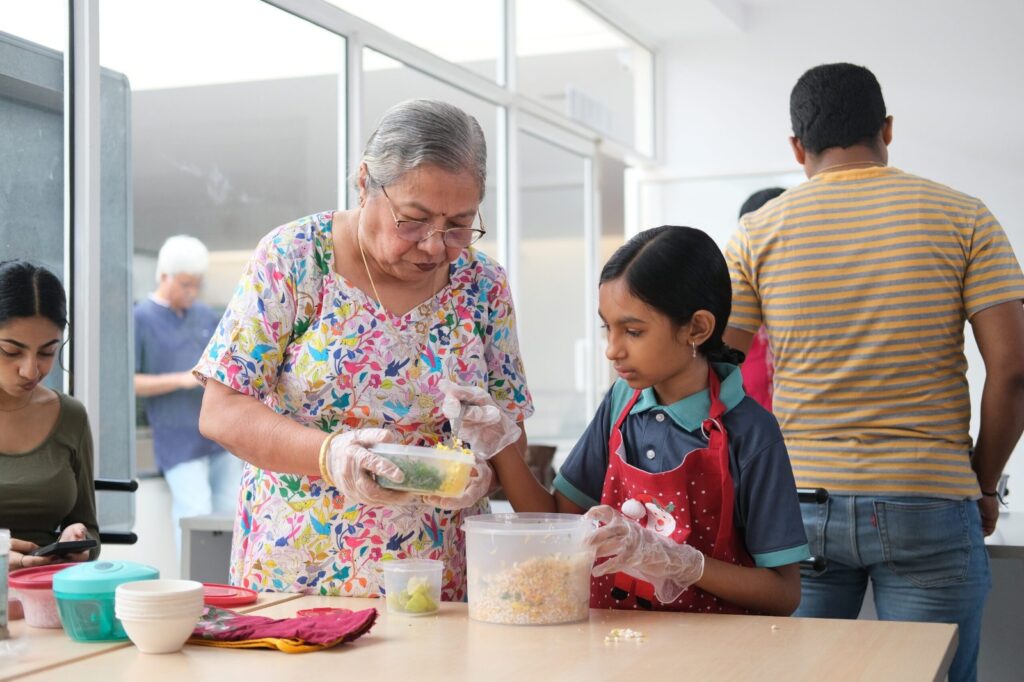
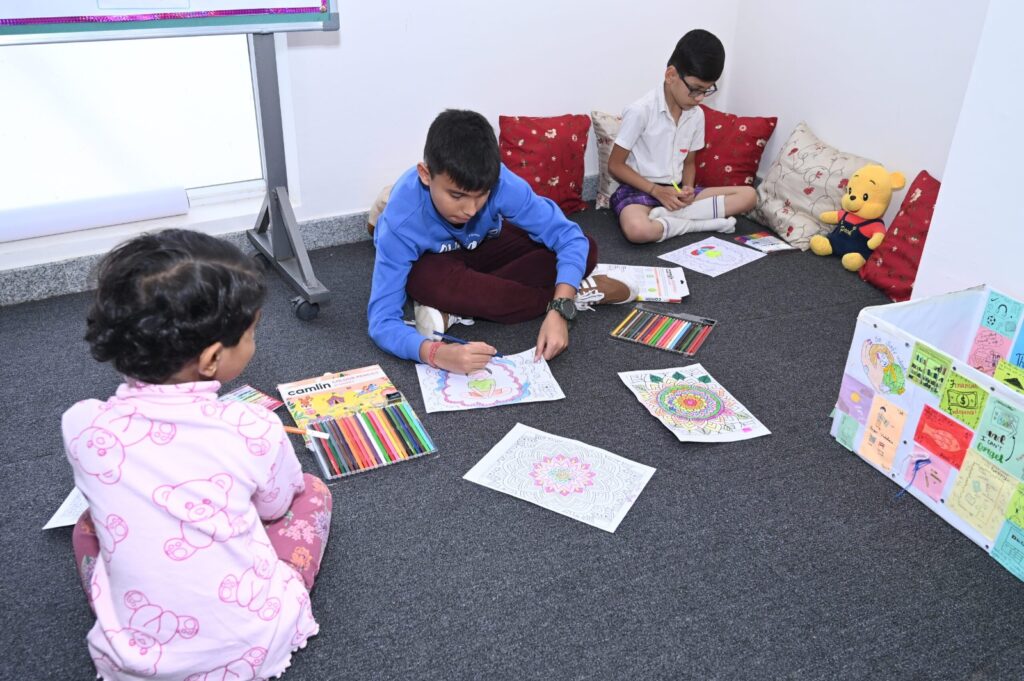
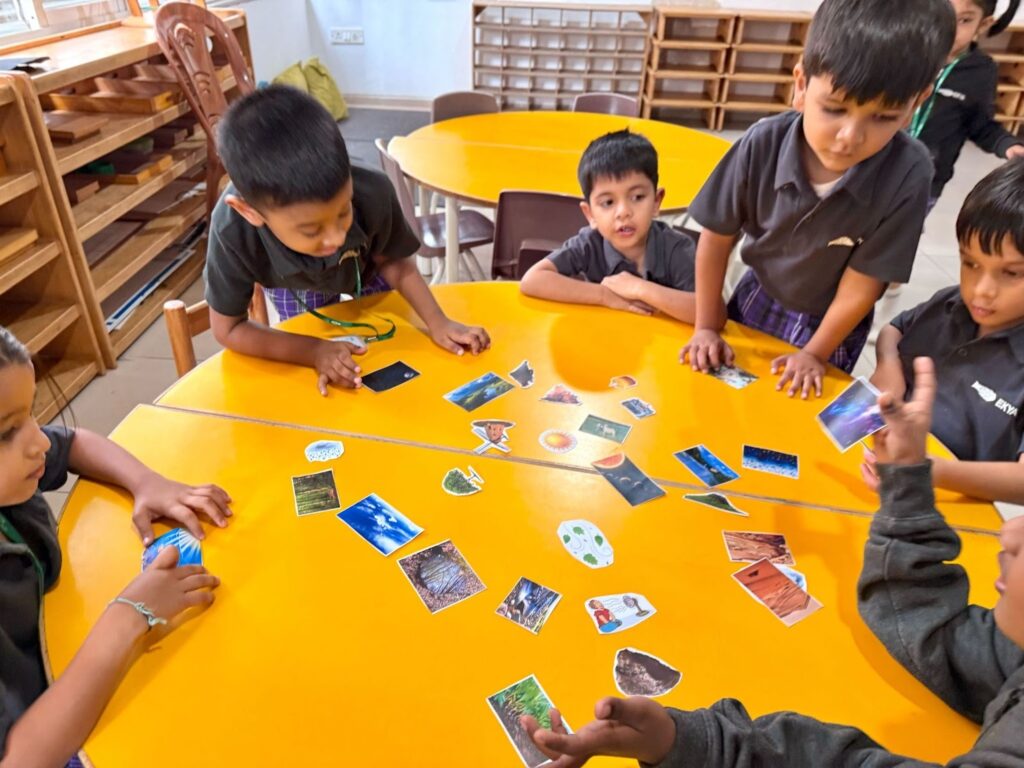
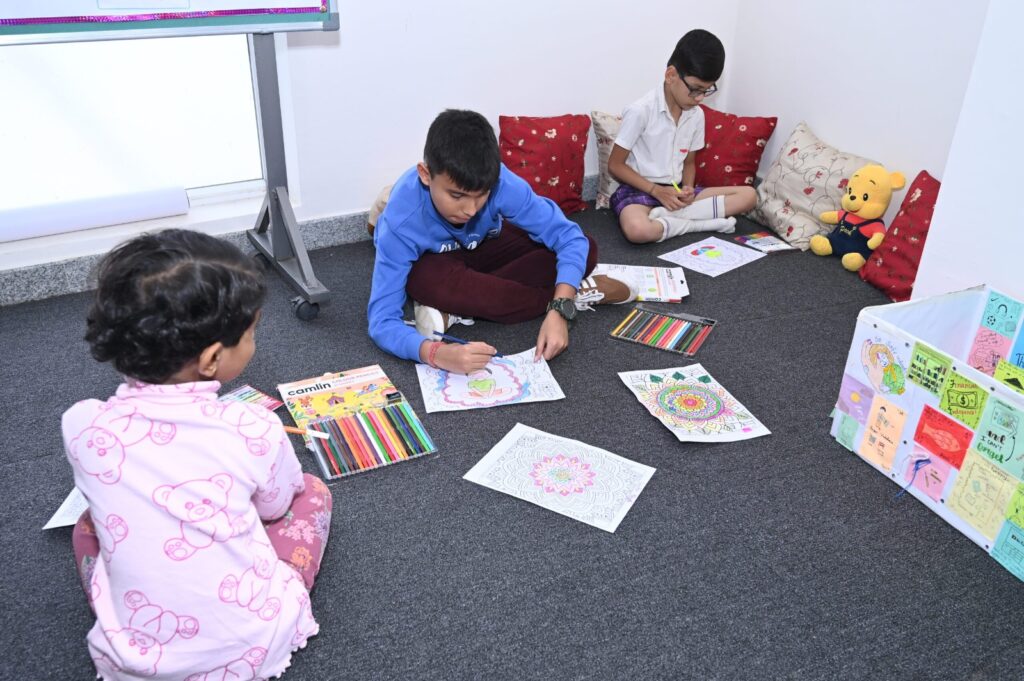
Summer breaks often fly by like a breeze! A happy time full of sunshine, play, and plenty of fun. But what if we told you that summer fun doesn’t have to come to an end? What if it could also be an opportunity to nurture creativity, curiosity, and critical thinking in your child? At Ekya Nava, we believe that interactive learning can strike the perfect balance between casual fun and personal growth. That’s why we’ve created this guide to help you design a ‘brain-friendly’ break for your young learner(s) that’s as fun as it is enriching. While you’re busy exploring options for international school admission in Bangalore, here is a guide full of ideas to make this summer both memorable and meaningful. Why a Brain-Friendly Activities Are Essential Holidays allow young minds to recharge, but they’re also the perfect opportunity to explore interests outside the school curriculum. Studies show that children who engage in creative, hands-on, and brain-stimulating activities during their free time return to school more confident and motivated. A brain-friendly activity doesn’t mean keeping children glued to books – it’s about encouraging exploration, creativity, and a love for learning in a fun and natural way. The Ekya Nava Recipe for a Brain-Friendly Holiday Here’s how you can plan a summer that keeps your child’s mind active, their curiosity alive, and their creativity flowing: 1. Begin the Day with Curiosity Mornings are the best time to engage young brains with playful and thought-provoking activities. This morning routine not only sparks curiosity but also helps children develop observation and critical thinking skills – traits we nurture in our students at Ekya Nava, one of the best IGCSE schools in Bangalore. 2. Dive into Creative Exploration Creativity is key to a brain-friendly summer. Give your child opportunities to explore their artistic and imaginative side. DIY Art Projects at Ekya Nava Creative play not only develops imagination but also boosts problem-solving and self-expression skills. 3. Include Practical Life Activities Inspired by Montessori principles, practical life activities are a wonderful way for children to learn real-world skills while having fun. Fun and Interactive games organised by Ekya Nava These activities nurture independence and responsibility, key values we promote at international schools in Bangalore, like Ekya Nava. 4. Fuel a Love for Reading Books open doors to new worlds and ideas. Dedicate some time each holiday to reading and storytelling. Reading doesn’t just improve language skills; it also sparks imagination and empathy – all qualities that make Ekya Nava one of the best IGCSE schools in Bangalore. 5. Get Hands-On with Science and Experiments Who says science can’t be fun? Simple experiments at home can turn your child into a mini-scientist. These activities nurture curiosity and analytical thinking while keeping children engaged and entertained. 6. Balance Brain Work with Physical Play Physical activity is just as important as mental stimulation. Encourage outdoor play or fun indoor exercises. A Sample Brain-Friendly Holiday Routine Here’s a flexible routine you can adapt to your child’s interests: Morning: Midday: Afternoon: Evening: The Ekya Nava Approach to Brain-Friendly Learning At Ekya Nava, one of the leading international schools in Bangalore, we believe that learning extends beyond the classroom. A brain-friendly holiday aligns perfectly with our ethos of holistic education, where children grow not just academically but also emotionally, socially, and creatively. Whether it’s through hands-on exploration, creative play, or cultivating independence, a summer break can be a time of immense growth. If you’re considering international school admissions in Bangalore, look for a school that prioritises curiosity and lifelong learning. Let’s Make This Summer Unforgettable! A brain-friendly summer is all about balance between fun and learning, activity and rest, curiosity and creativity. It’s a time for children to explore, imagine, and discover the world around them in ways that feel natural and joyful. So, what’s on your summer to-do list? Try some of these activities, mix in your child’s interests, and watch them thrive! At Ekya Nava, we believe that every summer can be a season of growth and wonder. Let’s make this one truly special!

Blog

Ekya Nava: Redefining Education Through Innovation, Creativity, and Design

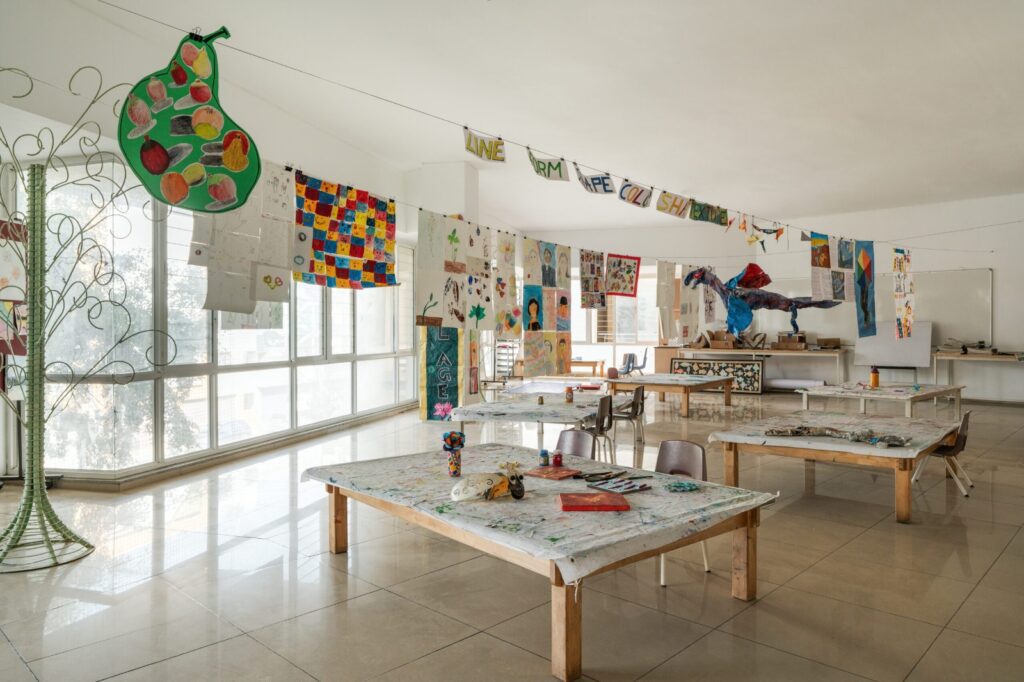
Education is not merely about acquiring knowledge – it is about empowering students to think critically, act intentionally, and engage meaningfully with the world. At Ekya Nava, this philosophy comes to life through a pioneering approach to learning that integrates innovation, creativity, and purpose-driven education. As India’s first International School of Innovation, Creativity, and Design, Ekya Nava offers a reimagined educational experience tailored for students to thrive in today’s interconnected and dynamic landscape. From its internationally benchmarked curriculum to its purpose-based pathways, Ekya Nava provides students with the tools, mindsets, and opportunities to become innovators, changemakers, and leaders of tomorrow. Purpose-Based Education: The Foundation of Ekya Nava What sets Ekya Nava apart is its unwavering commitment to purpose-based education. Here, learning transcends traditional boundaries and becomes deeply personal, meaningful, and impactful. Purpose-based learning encourages students to connect their passions with global needs, nurturing a sense of individuality, responsibility, and curiosity. This approach is embedded in every aspect of the school’s pedagogy, fostering students who are: By embedding purpose into education, Ekya Nava ensures that each student’s journey is not just about academic achievement but also about discovering their unique place in the world. Four Pathways to Empower Future Pioneers Ekya Nava’s curriculum is built around four interdisciplinary pathways: Design, Making, Information Technology & Society, and Innovation & Entrepreneurship. These pathways are designed to provide students with the skills, perspectives, and experiences needed to navigate and lead in a complex, globalised world. 1. Design Pathway: Creativity in Action The Design Pathway enables students to explore Design Thinking and creative problem-solving principles across disciplines such as industrial design, communication design, and artisanal crafts. 2. Making Pathway: From Imagination to Tangible Masterpieces This pathway allows students to explore the art and science of creation, emphasising sustainable practices and innovative techniques. 3. Information Technology & Society Pathway: Technology for Positive Impact Students in this pathway gain a holistic understanding of computing systems, data analysis, and ethical technology practices. 4. Innovation & Entrepreneurship Pathway: Building Changemakers This pathway fosters an entrepreneurial mindset, equipping students with the skills to identify opportunities, create solutions, and lead with purpose. Learning Beyond the Classroom Ekya Nava’s approach to education extends far beyond the classroom, emphasising experiential learning and real-world application. Studio-Based Learning Purpose-built spaces, such as The Artistree and maker spaces, provide students with the environment and resources to brainstorm, prototype, and innovate. These dynamic spaces foster creativity, collaboration, and problem-solving. Design Thinking Challenges Students participate in challenges that address global issues, such as urban accessibility and climate change. These projects emphasise empathy, collaboration, and critical thinking, enabling students to develop innovative, actionable solutions. Community Engagement Through the Service Learning Program, students actively engage with their communities, working with organisations like Akshaya Patra and Reap Benefit to address pressing social and environmental issues. Emotional Well-Being as a Priority At Ekya Nava, education is holistic, with a strong emphasis on emotional well-being and self-awareness. A nurturing environment, coupled with structured well-being practices, ensures that students feel valued, supported, and empowered to grow both academically and personally. Key practices include: A Curriculum for the Future Designed using the Understanding by Design (UbD) framework, Ekya Nava’s curriculum emphasises enduring understandings and the ability to transfer knowledge into real-world contexts. The goal is to move beyond rote memorisation and create transformative learning experiences that prepare students for lifelong success. Key Features of the Curriculum: The Ekya Nava Vision Ekya Nava is more than a school—it is a dynamic learning community that fosters curiosity, creativity, and purpose. By integrating innovation, design, and experiential learning into its core, the school prepares students to lead with empathy and confidence in an ever-evolving world. Through its unique approach, Ekya Nava nurtures students to become global citizens, critical thinkers, and pioneers, ready to navigate and shape the complexities of the modern world.Discover Ekya Nava: Where Innovation Meets Purpose.

Blog

The Joy of Journaling: How Writing Down Your Thoughts Can Help You Grow

A Seed of Reflection Journaling is like planting a seed in the fertile soil of your mind, where thoughts sprout and grow into a beautiful garden of self-discovery. Each entry is an opportunity to cultivate your feelings, dreams, and challenges, allowing you to nurture your personal growth. For students in international schools in Bangalore, journaling offers a unique way to connect with their inner selves. In the bustling corridors of these schools, young minds are encouraged to step back and reflect on their experiences. What if, instead of letting thoughts swirl chaotically, they could capture them on paper? This simple act of writing transforms confusion into clarity and anxiety into understanding. It invites students to explore their emotions and ideas, creating a space where they can be honest and vulnerable. Maya, a bright and curious student, was about to discover the joys of journaling. Little did she know that this practice would not only help her articulate her feelings but also ignite her creativity and strengthen her connections with others. Let’s join Maya on her journey as she explores the power of journaling in international schools in Bangalore and how it shapes her growth in ways she never imagined. Chapter 1: The First Steps into Self-Discovery As Maya put pen to paper, the words flowed like a gentle stream. “Today, I felt excited and nervous about my math test,” she wrote. Each sentence felt like a little piece of her heart being laid bare. Journaling became her mirror, reflecting her emotions in ways she hadn’t realized before. In Ekya Nava, journaling is often introduced as a part of the curriculum, helping students like Maya navigate the complexities of their feelings. Ms. Nair often reminded the class, “Writing helps us understand ourselves better. It’s a safe space where you can be honest.” Maya began to see journaling not just as writing but as a way to communicate with herself. She wrote about her joys, her fears, and the little moments that made her day special. “I laughed with my friends during lunch,” she noted one day. “It felt good to be connected.” In the bustling corridors of these schools, young minds are encouraged to step back and reflect on their experiences. What if, instead of letting thoughts swirl chaotically, they could capture them on paper? This simple act of writing transforms confusion into clarity and anxiety into understanding. It invites students to explore their emotions and ideas, creating a space where they can be honest and vulnerable. Maya, a bright and curious student, was about to discover the joys of journaling. Little did she know that this practice would not only help her articulate her feelings but also ignite her creativity and strengthen her connections with others. Let’s join Maya on her journey as she explores the power of journaling in international schools in Bangalore and how it shapes her growth in ways she never imagined. Chapter 2: The Creative Spark As weeks passed, Maya discovered that her journal was more than just a record of her thoughts; it ignited her creativity. One afternoon, she decided to write a short story about a brave little fox who set out on an adventure to find the brightest star in the sky. With each word, she painted vivid pictures in her mind. In IGCSE schools in Bangalore, creative writing is often a vital part of the curriculum, and journaling enhances this experience. Maya’s classmates, too, began to share their stories, transforming their journals into treasure chests of imagination. “Writing is like magic,” her friend Anya said one day. “You can create worlds and characters that don’t exist anywhere else!” This sense of camaraderie blossomed in their classroom, where they exchanged ideas and inspired each other to explore new writing styles. Chapter 3: The Power of Reflection One rainy afternoon, Maya sat by the window, a cup of warm cocoa beside her. As she flipped through her journal, she noticed how her entries had evolved. She had written about her struggles with math, her attempts to understand a difficult concept, and her feelings of accomplishment when she finally got it right. “Writing helps me see how far I’ve come,” Maya thought, reflecting on her journey. In international schools in Bangalore, this practice of reflection is encouraged to help students develop emotional intelligence and resilience. Ms. Nair often explained, “When you write about your challenges, you empower yourself to overcome them.” That day, Maya decided to write a letter to her future self. “Dear Maya,” she wrote, “I hope you remember how brave you are. Keep believing in yourself, even when things get tough.” This simple act of writing a letter filled her with hope and determination. Chapter 4: Sharing the Journey As the school year progressed, Maya’s journaling became a shared experience. Ms. Nair introduced “Journaling Fridays,” where students could share their favorite entries if they felt comfortable. Maya was nervous at first but decided to read the letter she had written to herself. “I learned that it’s okay to be vulnerable,” she told her classmates, her voice steady despite her nerves. The room filled with supportive smiles and nods, and soon, others began to share their stories too. In IGCSE schools in Bangalore, this culture of sharing not only builds confidence but also strengthens the community within the classroom. Maya realised that journaling had connected her with her classmates in ways she hadn’t anticipated. They were all navigating similar challenges, and their shared stories created bonds that would last beyond the school year. Chapter 5: The Last Entry As the school year drew to a close, Maya sat down for one last entry. She reflected on her journey from a hesitant writer to someone who embraced her thoughts and feelings. “Journaling has taught me to believe in myself,” she wrote. “It’s my safe space, my creativity, and my guide.” Maya knew that this practice would stay with her long after she left school. In international schools in Bangalore, journaling is not just

Blog

Parent’s Guide to Balancing Relaxation & Learning During Holidays

The holiday season brings a welcome pause from school routines, but it also presents parents with a familiar challenge: how to ensure children recharge without completely switching off from learning. At leading international schools in Bangalore, educators emphasise that holidays work best when they’re neither all play nor all study – but a thoughtful mix of both. Whether your child attends one of the best K-12 schools in Bangalore or is just starting their educational journey, these practical strategies can help create breaks that refresh the mind while keeping it engaged. Why Balanced Holidays Matter Research from Johns Hopkins University shows that students can lose up to 2 months of academic progress during extended breaks. However, the solution isn’t summer homework packets. Top international schools in Bangalore recommend a smarter approach: Interest-Based Projects: Letting curiosity lead the way Creativity + learning = unforgettable memories 5 Ways to Blend Learning & Relaxation 1. Create a “Learning Menu” Instead of rigid schedules, offer choices: This approach, used in many top schools in Bangalore, gives children autonomy while maintaining structure. 2. Turn Travel Into Education Visiting grandparents or taking a vacation? Try: 3. Make Screen Time Productive Rather than banning devices, curate quality content: 4. Start a Holiday Project Let your child pick something that excites them: Many best K-12 schools in Bangalore encourage such projects to develop planning and research skills. Combining fun and education with hands-on learning activities 5. Keep a Flexible Routine A loose daily structure prevents holiday lethargy: What International Schools Do Differently Leading international schools in Bangalore stand out in their holiday approach by: Making the Transition Back to School Smoother As holidays end, help your child readjust gradually: The Takeaway: Quality Over Quantity The most effective holiday learning happens when children don’t realise they’re doing it. As many top schools in Bangalore have shown, short, engaging activities sprinkled throughout the break maintain skills without sacrificing relaxation.Remember: Holidays are for making memories first. Any learning that happens along the way is a bonus.

Blog

Why Journaling is the Best Holiday Habit for Young Minds?

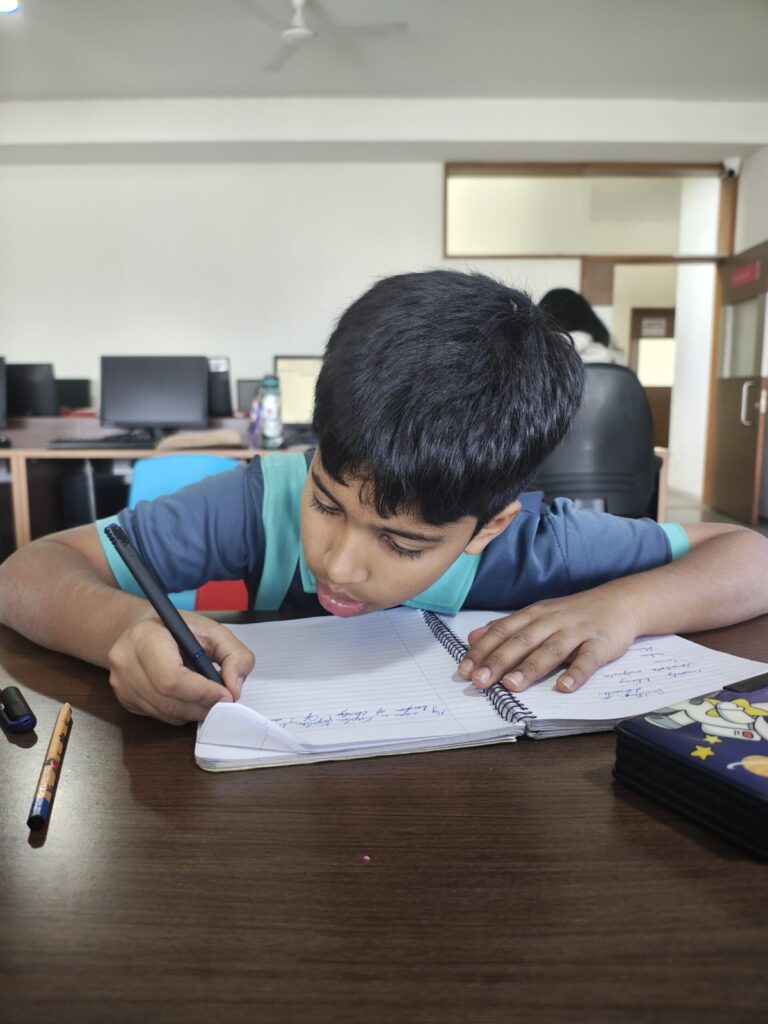
The holidays are a time of joy, relaxation, and reflection. Amid the festivities, it’s essential to encourage children to engage in activities that nurture their minds and foster personal growth. Journaling stands out as a remarkable habit that combines creativity, self-expression, and mental well-being. At a time when students of  international schools in Bangalore are enjoying their summer break, journaling can serve as a purposeful activity that complements their academic and emotional development. Journaling offers children a chance to explore their thoughts and feelings As one of the best IGCSE schools in Bangalore, we at Ekya Nava understand the importance of cultivating habits like journaling, that support lifelong learning. It offers children a chance to explore their thoughts and feelings while developing essential coping skills. Let’s explore why journaling is the ultimate holiday habit for young minds and how it can transform their break into a period of growth and creativity  1. A Safe Space for Self-Expression Journaling provides children with a private space to express their thoughts, emotions, and experiences freely. Unlike social media or public platforms, a journal is personal and reflective. Kids can process their feelings without fear of judgment, fostering emotional intelligence and self-awareness. During the holidays, children often experience a mix of excitement and downtime. Journaling helps them articulate what they’re feeling while boosting their communication skills. 2. Stress Relief and Emotional Regulation The holiday season can be overwhelming for kids with packed schedules or changes in routine. Journaling acts as an emotional outlet, helping them manage stress by putting their worries on paper. Writing about emotions can clarify thoughts and reduce anxiety. For students preparing for international school admissions in Bangalore or transitioning to new academic challenges, journaling can be a grounding activity that builds resilience during uncertain times. 3. Enhancing Creativity Journaling sparks creativity by encouraging children to think beyond boundaries. Journaling nurtures imaginative thinking, whether they’re writing stories, drawing illustrations, or jotting down ideas for future projects. Parents can introduce prompts like “What’s your dream holiday destination?” or “Write about your favorite memory from this year” to inspire creative exploration. This activity aligns beautifully with the ethos of purpose-based education offered by top international schools in Bangalore, where creativity is celebrated as a vital skill for holistic development. 4. Strengthening Critical Thinking Skills Journals serve as tools for reflection and analysis. Writing helps children organize their thoughts, evaluate situations critically, and make connections between cause and effect. For instance, journaling about holiday traditions can lead them to explore the cultural significance or historical roots behind these practices. Such exercises sharpen problem-solving abilities while encouraging curiosity, skills highly valued in IGCSE curricula at leading schools in Bangalore. 5. Improved Writing Skills Consistent journaling enhances writing proficiency by helping children practice sentence structure, vocabulary usage, and storytelling techniques. Whether they are crafting essays or penning poems, this habit strengthens their ability to communicate effectively—a skill that benefits them academically and beyond. Parents can encourage kids to experiment with different styles of journaling during the holidays—bullet lists for organisation, gratitude entries for mindfulness, or creative narratives for fun! 6. Boosting Memory and Focus Writing down thoughts helps children retain information better and improves memory recall. Journaling encourages them to reflect on daily experiences or document lessons learned during holiday activities like trips or family gatherings. This practice builds focus while reinforcing cognitive skills essential for academic success. 7. Fostering Gratitude The holidays are a time for giving thanks and appreciating life’s blessings. Journaling cultivates gratitude by prompting children to reflect on what they’re thankful for each day—a habit proven to enhance happiness and positivity. Parents can introduce gratitude journaling as part of holiday traditions to instill mindfulness in young minds while strengthening family bonds through shared reflections. How Parents Can Encourage Journaling To make journaling exciting for kids: A Holiday Habit That Lasts Beyond Vacation Journaling serves as an investment in your child’s mental health, creativity, and academic growth. As one of the top purpose-based  international schools in Bangalore, committed to holistic development, we encourage families to embrace this enriching habit during the holidays. Whether your child is preparing for international school admission in Bangalore or simply enjoying their vacation, journaling offers countless benefits that extend far beyond the holiday season. Let this break be a time of reflection, discovery, and growth through the power of words!

Blog

Deep Dive: How IGCSE Prepares Students for Global Universities

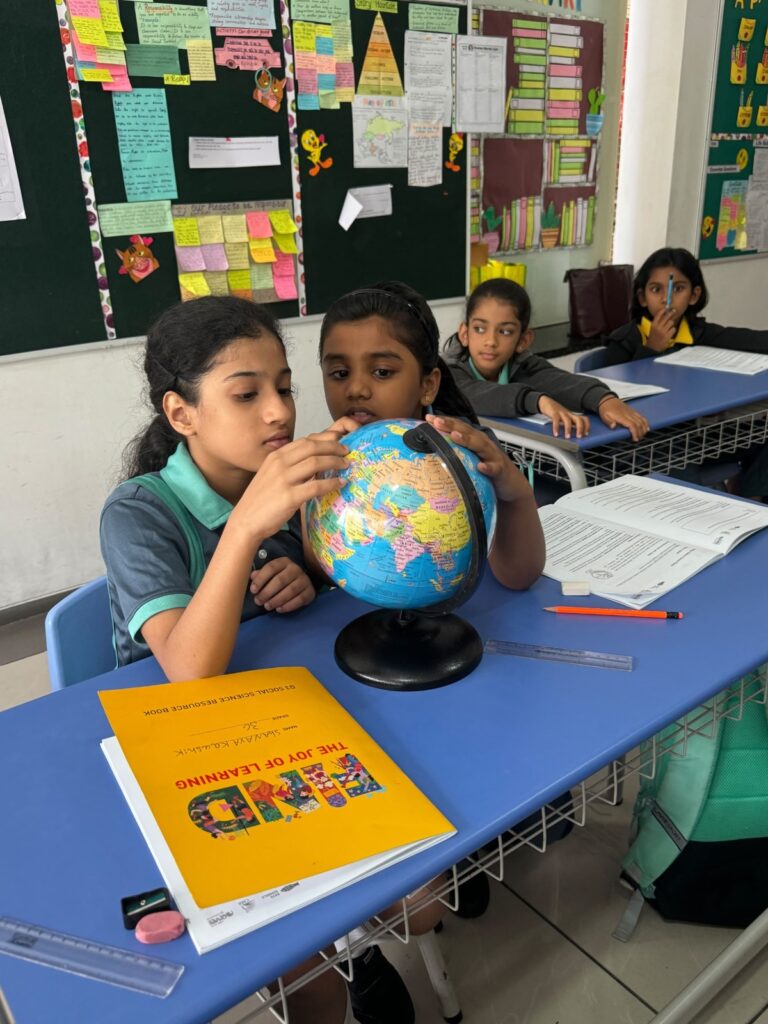
“Why IGCSE Matters More Than Ever” A decade ago, parents often imagined traditional professions, such as a doctor, engineer, or lawyer, when dreaming of their child’s future. Today, the landscape has shifted. According to the World Economic Forum, 65% of children entering primary school will end up in jobs that do not yet exist. To prepare students for this exciting but uncertain world, we must move beyond rote learning. The future demands adaptability, creativity, and global competence. This is where the Cambridge International General Certificate of Secondary Education (IGCSE) shines. Recognised worldwide, IGCSE has become the go-to curriculum in many of the best international schools in Bangalore, bridging the gap between secondary schooling and admission to global universities. The Big Picture: IGCSE in India and Beyond Did you know that there are over 70 subjects offered at IGCSE, including 30 languages? Schools can customise combinations to meet student interests and institutional needs. No two IGCSE journeys look the same, and that’s by design. Globally, IGCSE has been adopted by thousands of schools across 160 countries. In India alone, close to 700 schools now offer the IGCSE curriculum, making it one of the fastest-growing academic boards in the country. For parents looking at top K12 schools in Bangalore, this growth signals trust: IGCSE is a proven pathway to universities across the UK, US, Singapore, Australia, and beyond. Academic Depth with Flexibility At its core, IGCSE provides breadth and rigour: Subject variety: From mathematics and sciences to humanities and the arts, learners have the freedom to pursue subjects aligned with their passions. Content mastery: Students go beyond surface-level learning and are encouraged to explore, question, and apply knowledge in new contexts. Critical thinking: Examinations and coursework push students to analyse, interpret, and evaluate. These skills are highly valued on the global stage. This academic design makes IGCSE a springboard to advanced studies, such as A Levels, IB Diploma Programme, or college preparatory courses. Life Skills That Stick What sets IGCSE apart from conventional programs is its emphasis on skills for life: Independent research– Learners develop the ability to find, evaluate, and synthesise information across diverse sources. Effective communication– Both written and verbal, in English and other languages, ensures readiness for international academic environments. Collaboration– Team projects and group activities cultivate leadership, negotiation, and conflict-resolution skills. At Ekya Nava, these skills are further reinforced through design thinking and hands-on learning experiences that make the curriculum personal. A Global Outlook for Global Futures Cultural awareness is embedded in the IGCSE structure. Case studies, projects, and discussions invite learners to consider international perspectives. They learn to respect diversity, challenge biases, and see issues through multiple lenses. When a student aspires to study abroad, this exposure is critical. Universities look for applicants who can thrive in multicultural classrooms, collaborate across differences, and lead with empathy. Why Universities Value IGCSE Graduates Global universities, from Oxbridge to the Ivy League and top Asian institutions, consistently seek out IGCSE graduates from the best high schools in Bangalore. Why? These students demonstrate academic resilience, subject mastery, adaptability in diverse classrooms, and a powerful balance of analytical thinking and creativity.

Blog

The Wrap Around Program: Nurturing Holistic Well-being Beyond Academics

The sound of the last school bell is usually a signal of release, the scuffle of shoes toward the gate, a rush of children back into the world of traffic, playdates, and homework. At Ekya Nava, it signals something else: the beginning of another kind of school day. Here, the hours after dismissal are a continuation of learning. In one corner of the campus, a group of children rehearses a dance sequence. Just down the hall, a quiet cluster bends over LEGO robotics kits, while the gym hums with the rhythm of basketball practice. Teachers hover, not to assign or grade, but to encourage, guide, and sometimes join in. This is the Wrap Around Program in one of the best K12 schools in Bangalore. Ekya Nava has the answer to a question many parents quietly ask: what if school weren’t just about academics, but also about the lives our children lead outside of school? A Philosophy Beyond the Classroom The program sits at the heart of what makes international schools in Bangalore distinct. For years, parents seeking the best schools have asked for a balance between rigor and rest, between structure and freedom. At Ekya Nava, balance is a design principle. The Wrap Around Program extends the school’s philosophy into the late afternoons. The goal is simple yet ambitious: to help children grow not only as learners, but as individuals who can move fluidly between worlds; the world of equations and essays, and the world of expression, movement, and craft. What That Looks Like  On any given day, the program offers a mosaic of experiences: Sports: Basketball, table tennis, gymnastics, karate; activities that train the body, resilience, patience, and teamwork.  Arts: Dance, music, drama; spaces where children learn rhythm, confidence, and the art of presence. Skills & Innovation: Coding, robotics, debating, design thinking; disciplines that shape the builders, speakers, and problem-solvers of tomorrow. Quiet Pursuits: Chess or public speaking practice for those who prefer strategy or self-expression to the rush of physical play. It’s a catalogue that reflects variety and purpose. Each option is a pathway. Why It Matters  The best K12 schools in Bangalore today know that academic performance is no longer the sole ticket to opportunity. Schools must cultivate the full.  After-school programs have long been another typical add-on for parents: private lessons scattered across the city, weekend workshops squeezed into tight schedules. Ekya Nava embeds these experiences within the school day and removes the fragmentation. Learners can explore, fail, and try again in the same supportive ecosystem that guides their academics. The result, teachers say, is not just skill acquisition but transformation. A quiet child blossoms on stage. A restless one finds discipline in karate. Another discovers, in the sound of robotic gears, a love for engineering. A Different Kind of Homework If traditional homework prepares children for the next test, the Wrap Around Program in one of the top schools in Bangalore prepares them for something harder to measure: life. It teaches them how to belong to a team, how to handle disappointment gracefully, how to see possibility in failure, how to carry themselves with presence, lessons not captured in grades but felt in character. And perhaps that is the quiet genius of Ekya Nava’s approach. In reimagining what happens after the bell, it reminds us that education is not confined to classrooms, nor is it ever truly over. FAQs Q1. Who can join the Wrap Around Program? It is open to learners across grades, with activities tailored to age groups and interests. Q2. How does Ekya Nava choose which activities to include? Each is selected for its ability to nurture physical, emotional, and intellectual growth through sports, arts, or innovative skill-building. Q3. Will participation affect my child’s academics? The program complements academics by enhancing focus, discipline, and curiosity, without adding pressure to a child’s schedule. Q4. What makes this different from private after-school classes? Here, activities are integral to the school community, with expert instructors and a safe, inclusive environment. Q5. How does the program fit into Ekya Nava’s larger philosophy? It mirrors the school’s belief that learning is a lifelong journey, stretching beyond textbooks into experiences that shape character.

Blog

Purpose-Based Schools in Action: A Day in the Life at Ekya Nava

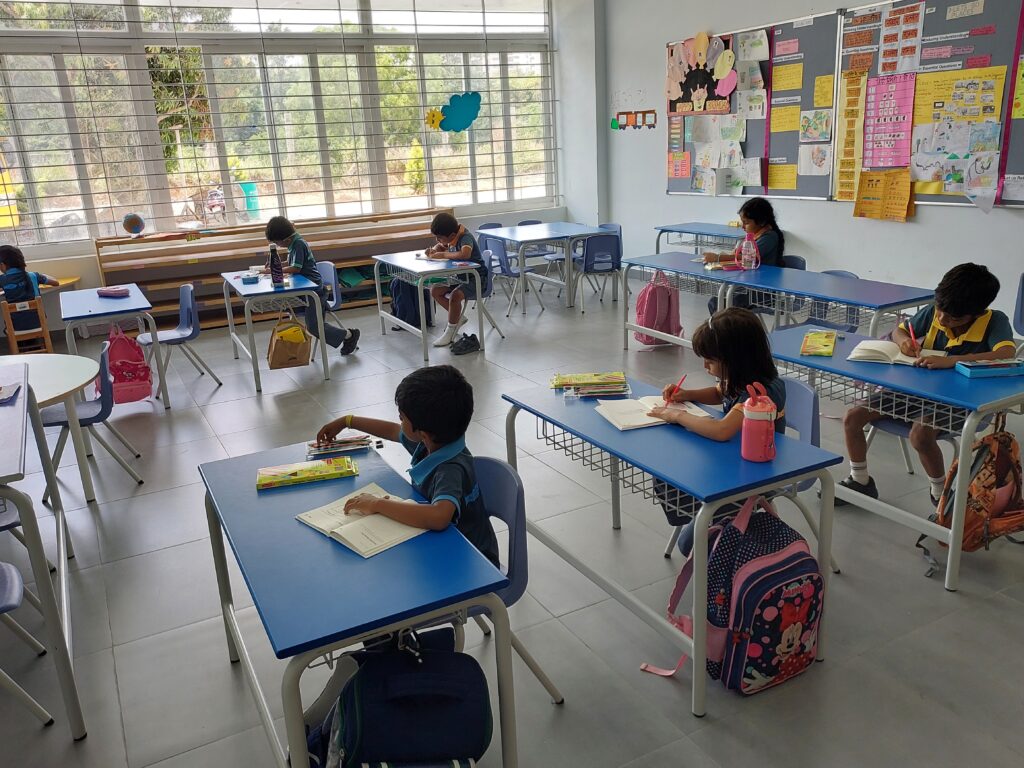
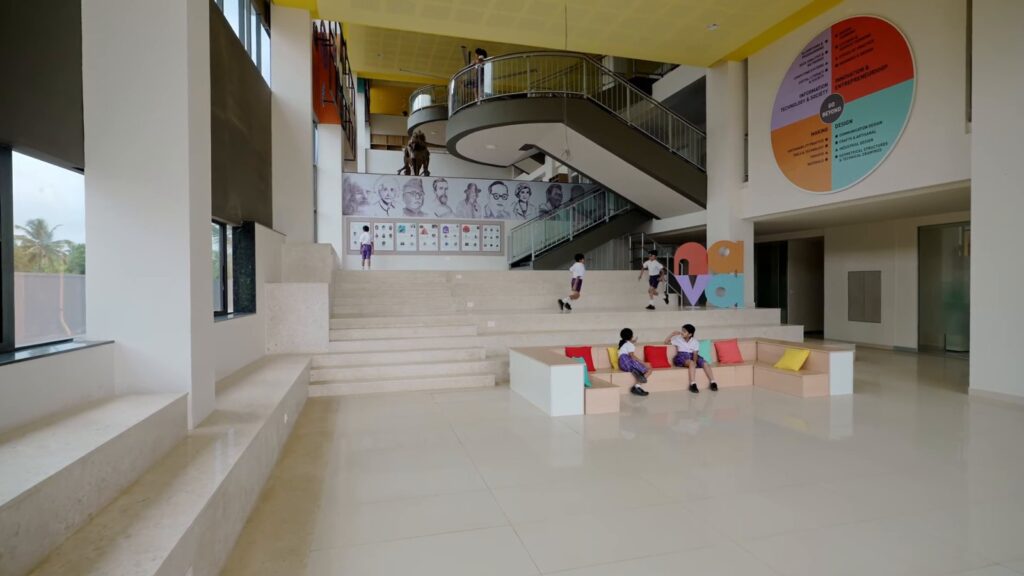
“What if purpose were the purpose of education?” This question, posed by Dr. Heather Malin, Director of Research at the Stanford Center on Adolescence, in her 2018 book Teaching With Purpose, captures a powerful truth. Malin defines purpose as “a future-directed goal that is personally meaningful and aimed at contributing to something larger than the self.” With such a sense of purpose, she explains, young people are more motivated to develop the skills and expertise they need to thrive in education, careers, and life. Purpose-based schools are quickly gaining popularity in India, but Ekya Nava, one of the top purpose-based schools in Bangalore, was the first to lead this transformation. Let’s learn more about what it looks like to be in such a unique school environment.  Inside a Day at Ekya Nava Ekya Nava offers learners purpose and connects learning to the real world. Their novel purpose-based learning connects a philosophy with the Cambridge IGCSE for Grades 1–10. The school has also incorporated a continuous, globally recognised pathway  with the help of the broader Ekya/CMR ecosystem. Their proposition is both ambitious and rooted in long experience. What “purpose-based” looks like here Ekya Nava’s core curriculum is designed using Understanding by Design (UbD). UbD emphasises in-depth understanding of learning areas, transfer of learning, and real-world application. The model also develops critical thinking through immersive projects, workshops, hands-on learning experiences, field trips, and multidisciplinary performance assessments. Learners are therefore encouraged to ask questions, think critically, and apply knowledge in meaningful ways. A typical rhythm The school follows flexible timings from 8:00 AM to 3:00 PM, which shapes the routine. That’s not it. After school, learners can opt into certified activities such as basketball, dance, music, karate, gymnastics, Lego robotics, table tennis, chess, public speaking, coding, and debating. This diverse schedule suggests a campus that is active, thriving, and always willing to innovate. Intention at the Epicentre An Ekya Nava class typically comprises activities and processes that focus on empathy, curiosity, adaptability, and compassion. Children don’t just rush into textbooks. Instead, the practices are meant to make learning exciting and helpful in real-life scenarios. For example, Early Years learners(2.5-6 years), follow the QUEST program where they participate in sensory-rich experiences that are specially designed to spark genuine interest in learning. You can explore more about the QUEST curriculum and how it nurtures young learners for more clarity. This purposeful start ensures that learners spend their day with clarity and focus. Pathways for Purposeful Learning At Ekya Nava, learners of all ages engage with as many as four real-world pathways. These pathways may be invisible, but they play a crucial role in helping discover their interests and develop future-ready skills. Each pathway connects knowledge with practical application, so they’re encouraged to think, create, and contribute meaningfully. This balance of breadth and depth ensures that learners from top schools in Bangalore, such as Ekya Nava, develop the adaptability to thrive in an evolving world. Spaces That Inspire At Ekya Nava, the campus itself becomes a teacher. Every corner has been purposefully designed to inspire the learners. For instance, exposed building surfaces reveal the inner workings of mechanical systems, helping students understand how design meets function. The cascading atrium serves as a vibrant hub of energy and innovation, while expansive Maker Labs and a dedicated Design Lab invite learners to experiment, prototype, and bring ideas to life. Learning Beyond the Classroom Some of the most powerful lessons at Ekya Nava happen once students step outside their classrooms.  Several times a year, learners from each class will be seen working on a community project, spending a night under the stars at camp, or shadowing professionals in real workplaces. These experiential learning opportunities are integral to a purpose-based approach. Why Ekya Nava Stands Out While many top K-12 schools in Bangalore offer international curricula, Ekya Nava’s distinction lies in its  commitment to purpose. Their design-driven learning spaces and emphasis on collaboration empower learners to align with the school’s core process: Learn, Think, and Do with clarity and intent. For parents exploring international school admission in Bangalore, Ekya Nava is an ideal choice as it’s driven by a novel philosophy of education that blends global curriculum standards with values-driven practices. FAQs 1. What makes Ekya Nava special?It’s India’s first purpose-based international school, blending global curricula with hands-on, real-world learning. 2. What is purpose-based learning?It’s about learning with meaning, through projects, field trips, and experiences that connect lessons to life. 3. What pathways can Ekya Nava learners choose?There are four exciting ones: Design, Making, Innovation & Entrepreneurship, and Information Technology & Society. 4. Do students learn beyond the classroom?Yes! Through community projects, camps, internships, and after-school activities like robotics, coding, sports, and many more.  5. How do I apply for admission?Just enquire online or visit the campus, submit an application, complete the assessment, and you’re guided through enrolment.

Blog

School Etiquette in the Rainy Season: A Gentle Reminder for Parents

The rainy season brings a refreshing change, but it also comes with its own set of challenges, especially for parents of school-going children. From ensuring safety during commutes to managing damp clothes and muddy shoes, there’s much to consider in making the school experience smooth and enjoyable for children during this time of year. Here’s a checklist of rainy season school etiquette for parents to ensure children stay safe, comfortable, and prepared for the weather. 1. Dress For the Weather The right clothing can make a big difference in keeping your child dry and protected from the rain. 2. Prepare the School Bag for Rainy Days A well-packed school bag ensures children stay organised and their belongings are protected from water damage. 3. Plan for Safe Travel Commutes during the rainy season can be tricky, with slippery roads and traffic congestion. Planning ahead can help reduce stress and ensure safety. 4. Teach Rainy Season Hygiene Monsoons often bring an increased risk of infections and illnesses. Reinforcing good hygiene habits can help children stay healthy. 5. Check the Lunchbox and Water Bottle Rainy weather often dampens energy levels, making it all the more important to ensure your child’s lunchbox is packed with nutritious meals. 6. Instil Good Etiquette at School Encourage your child to be mindful of how their actions affect others during the rainy season. 7. Be Mindful of School Policies Many schools implement specific guidelines during the rainy season to ensure a smooth experience for everyone. 8. Encourage Reflection and Positivity Rainy days can sometimes feel gloomy, but they also offer unique opportunities to teach children mindfulness and gratitude. A Season of Growth and Learning The rainy season, while challenging, is also a wonderful opportunity to teach children about responsibility, mindfulness, and adaptability. By preparing them with the right tools and habits, you can ensure they enjoy the season while staying safe and comfortable. At Ekya Nava, one of the leading international schools in Bangalore, we prioritise the safety and well-being of students throughout the year. During the monsoon season, we implement thoughtful measures to ensure a seamless and enjoyable learning experience. From mindfulness sessions during morning assemblies to fostering a sense of responsibility and care, we create an environment where students thrive, rain or shine.

Scroll to Top