
Quest
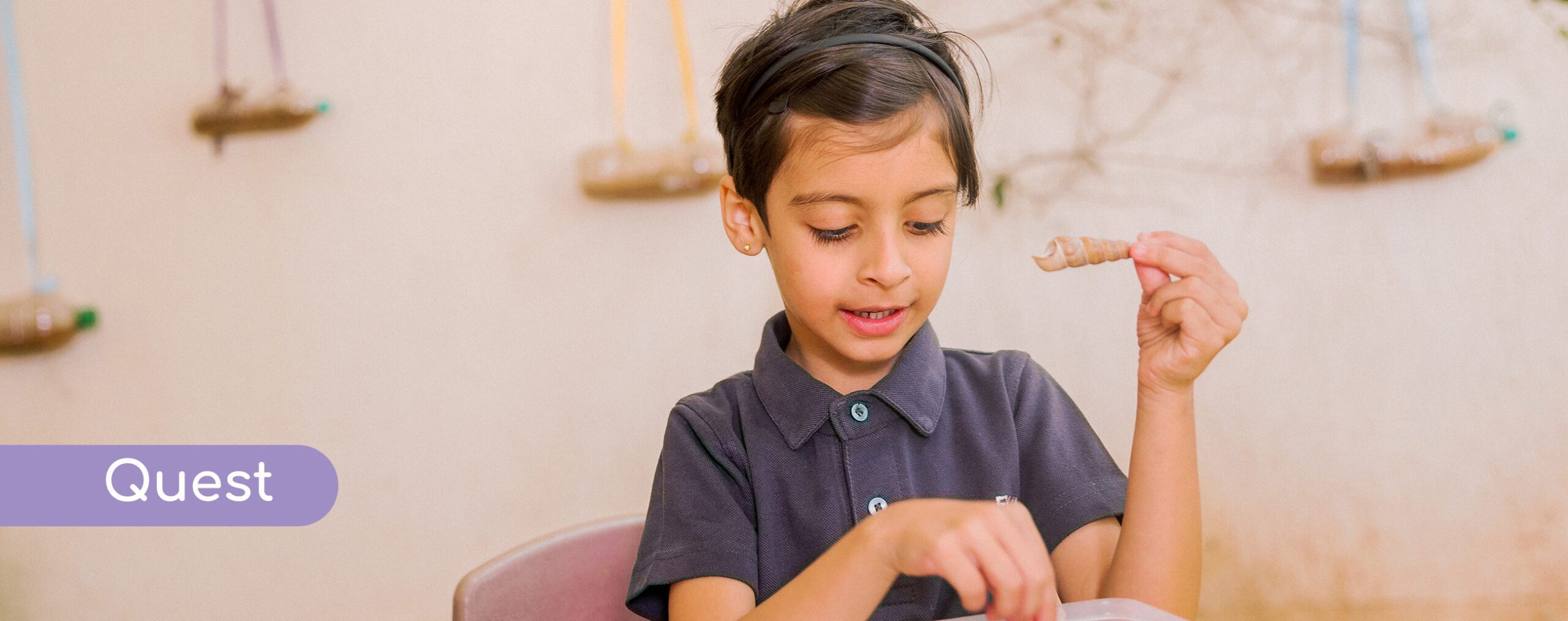

The Quest curriculum at Ekya Early Years is designed to ignite a thirst for knowledge about the social, natural, and physical world. Our unique approach fosters inquiry skills and provides students with engaging, contextual information that captures their curiosity and keeps them captivated. The program creates an educational experience that inspires a lifelong love of learning and encourages the little learners to explore the world around them with open minds and endless curiosity.
Learning Area Purpose
The Quest Program equips learners to:
- Cultivate a mind of curiosity and inquiry.
- Participate in various sensory and stimulating experiences.
- Critically think and make sense of the information given to them.

Quest Topics are chosen to sustain and pique children’s interests. Learning outcomes and clear objectives direct the learning for the chosen topic. The lessons planned provide different experiences that help students to think independently and critically about the topics under discovery.
Process skills such as predicting, observing, hypothesising and communicating are the core skills throughout the learning experiences.
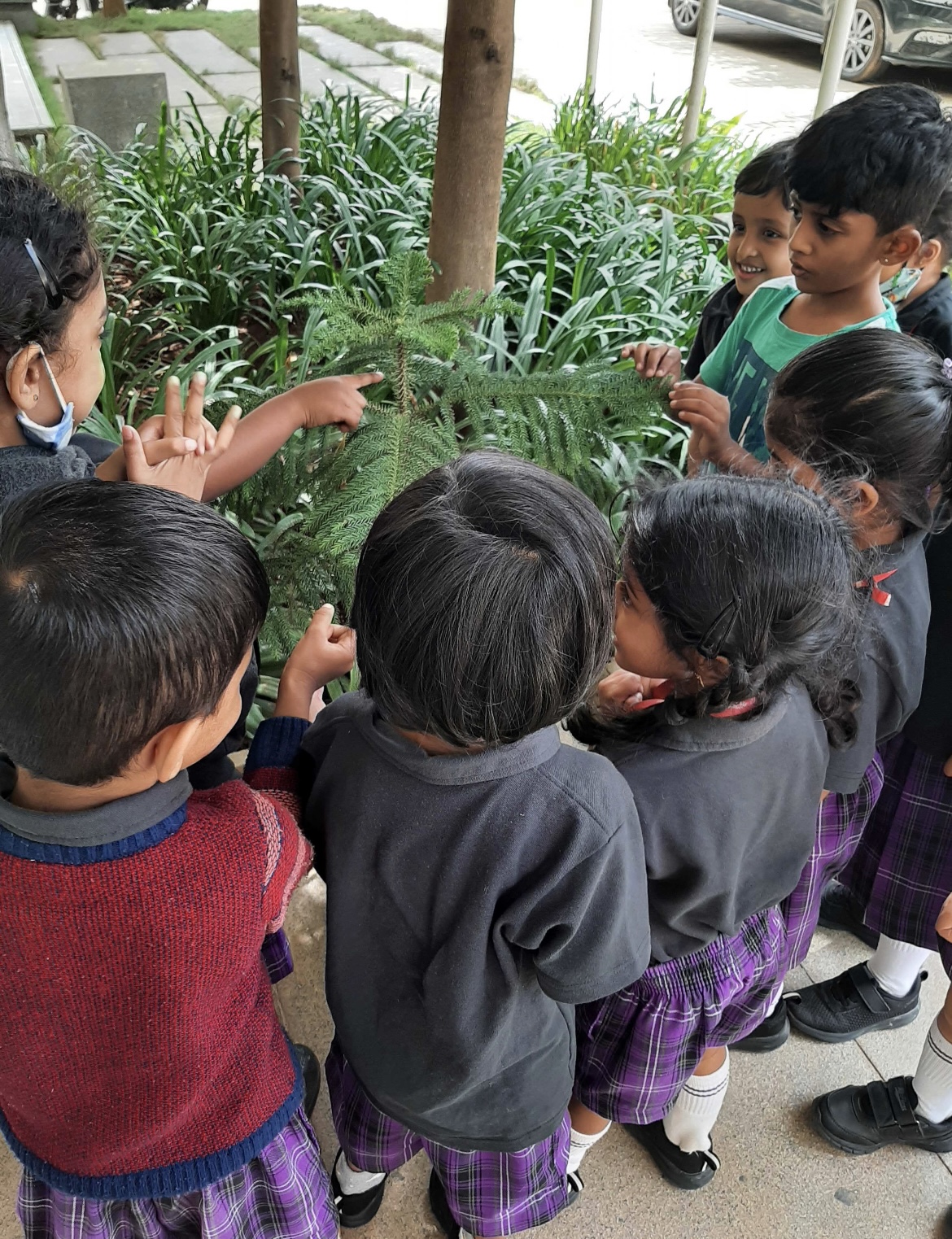
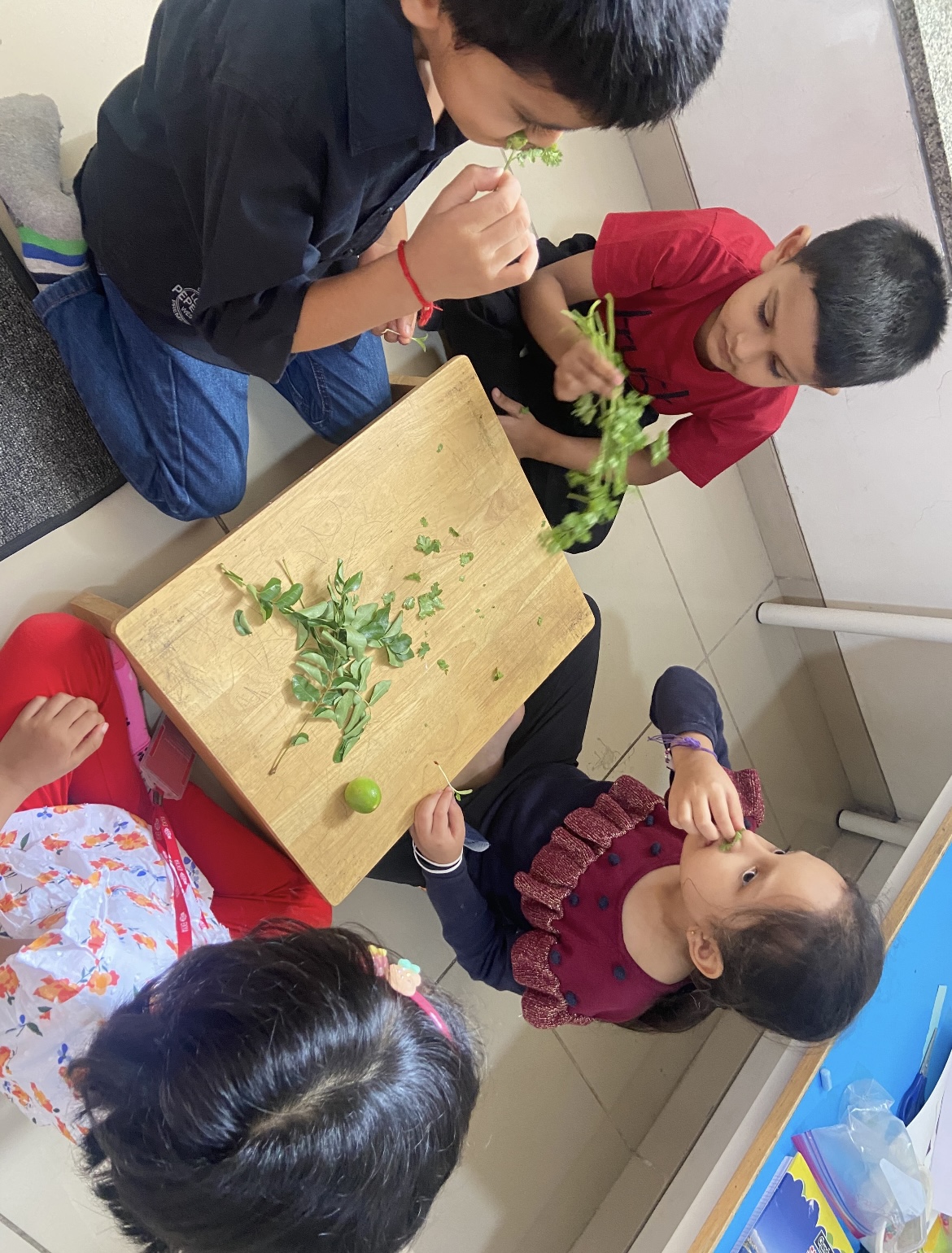
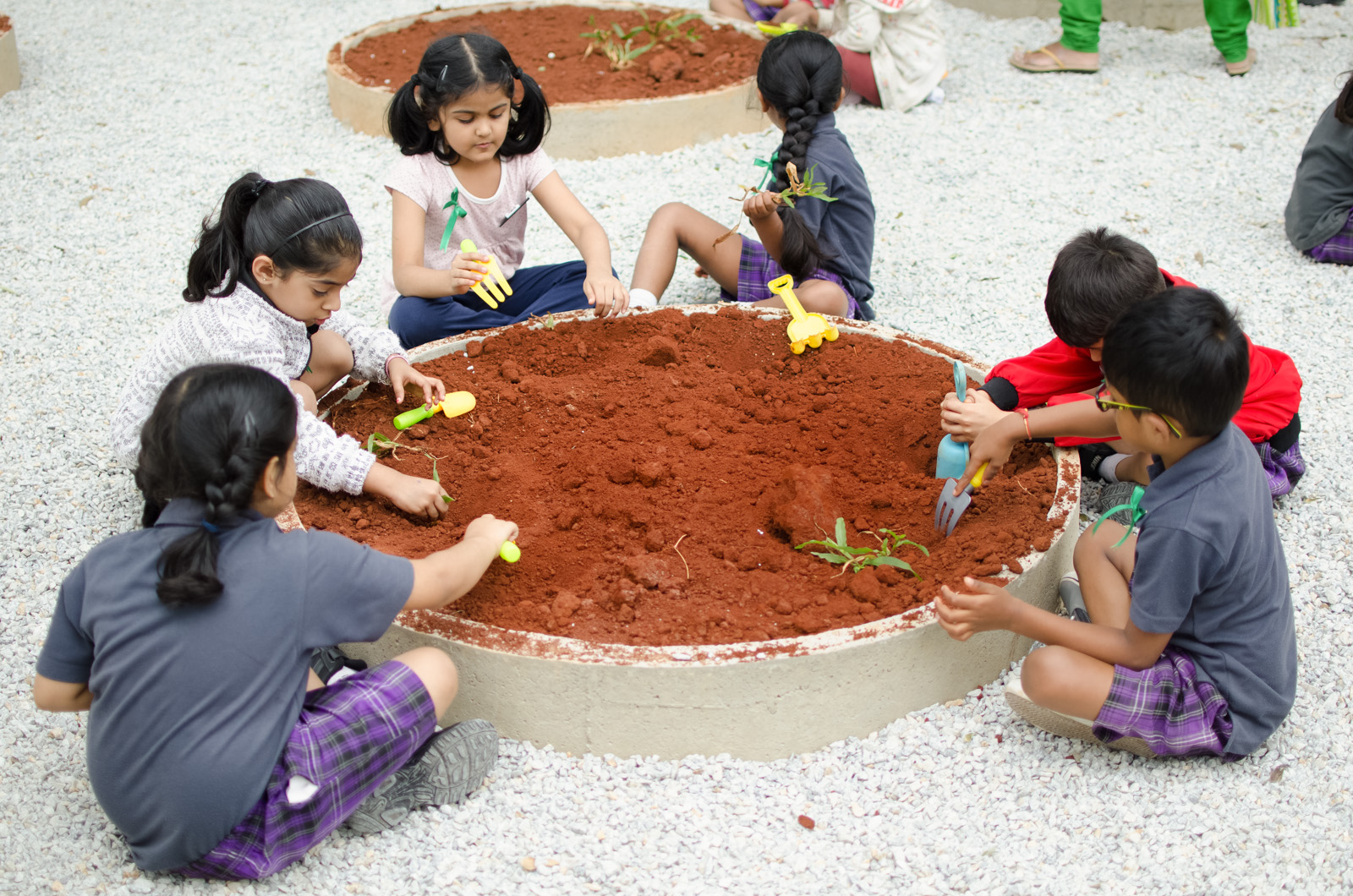
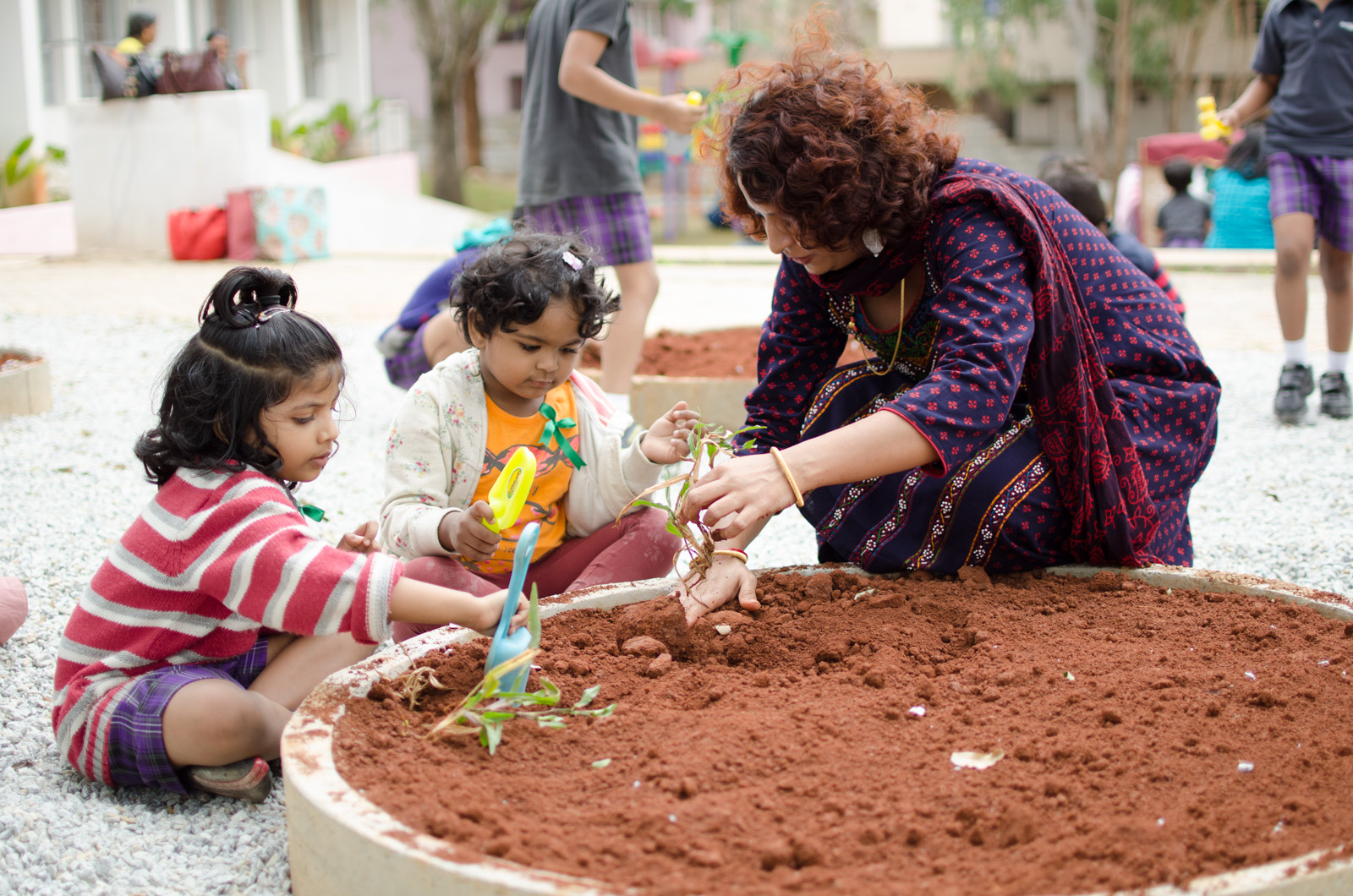
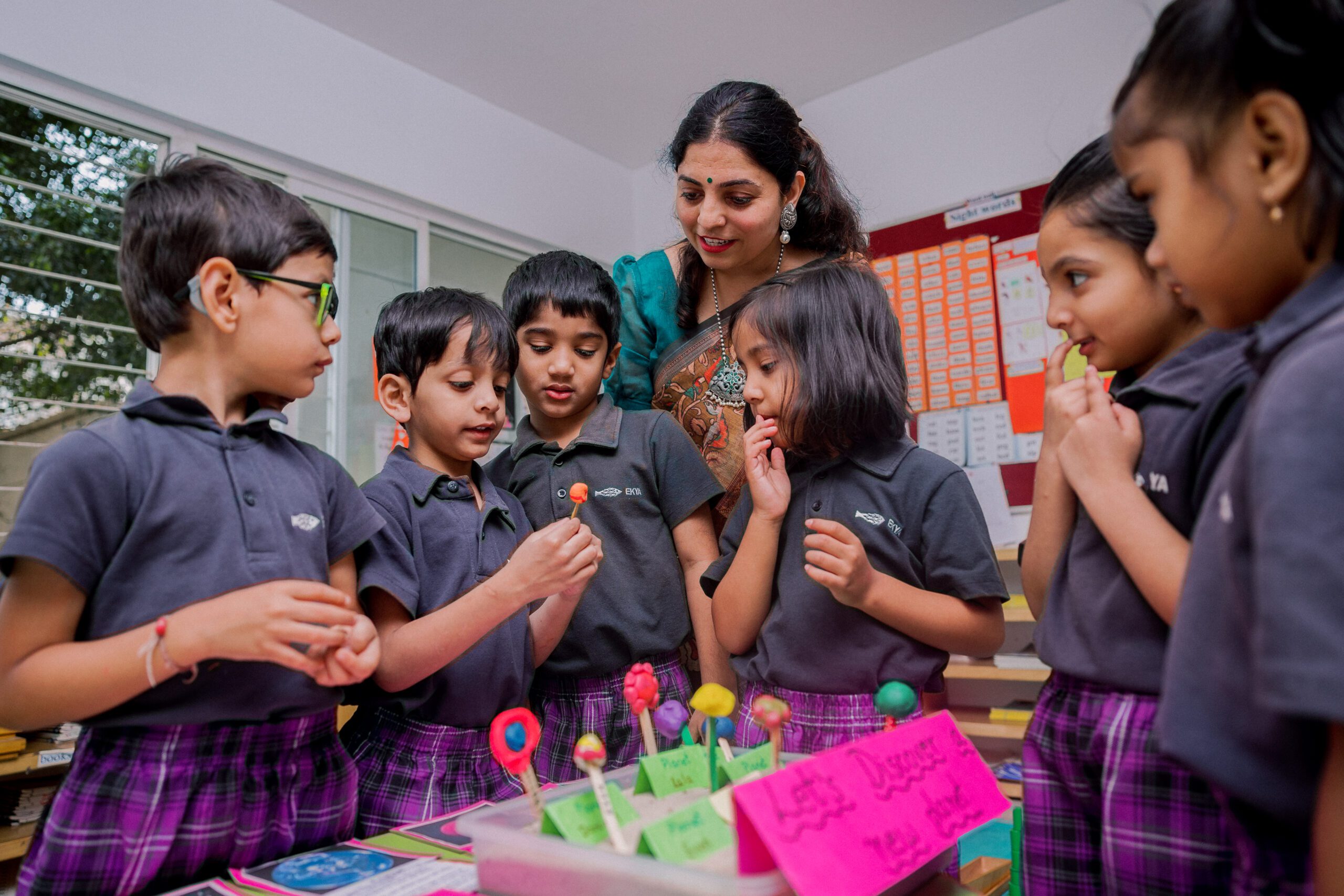
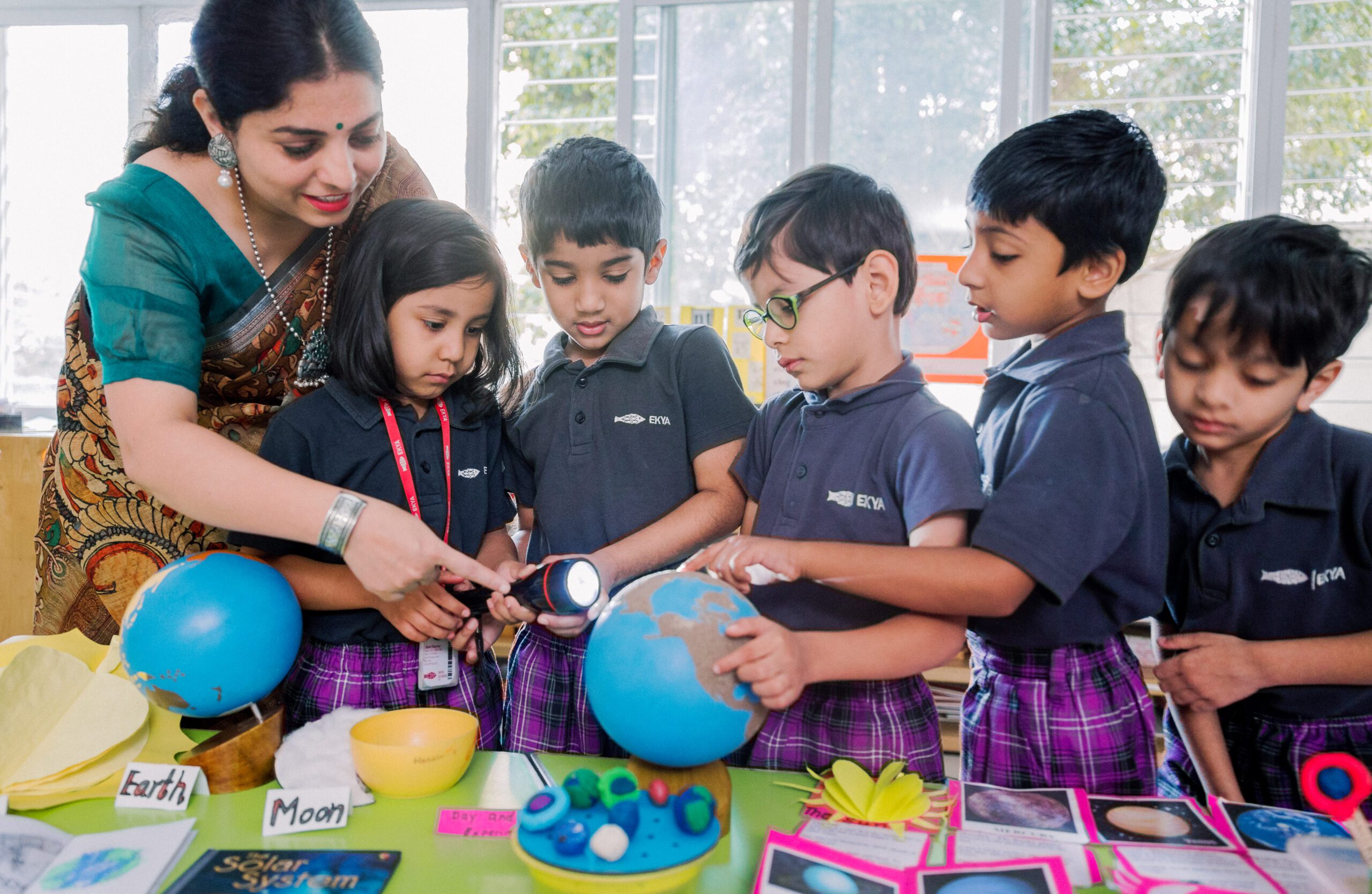
Through this program, students ask enriching questions like, “What makes my city special? Do birds have ears? Why did planets decide to revolve around the sun? How do tiny seeds grow into huge trees?” These questions are used to have deeper discussions about the topics. Teachers are facilitators of knowledge and have meaningful conversations.
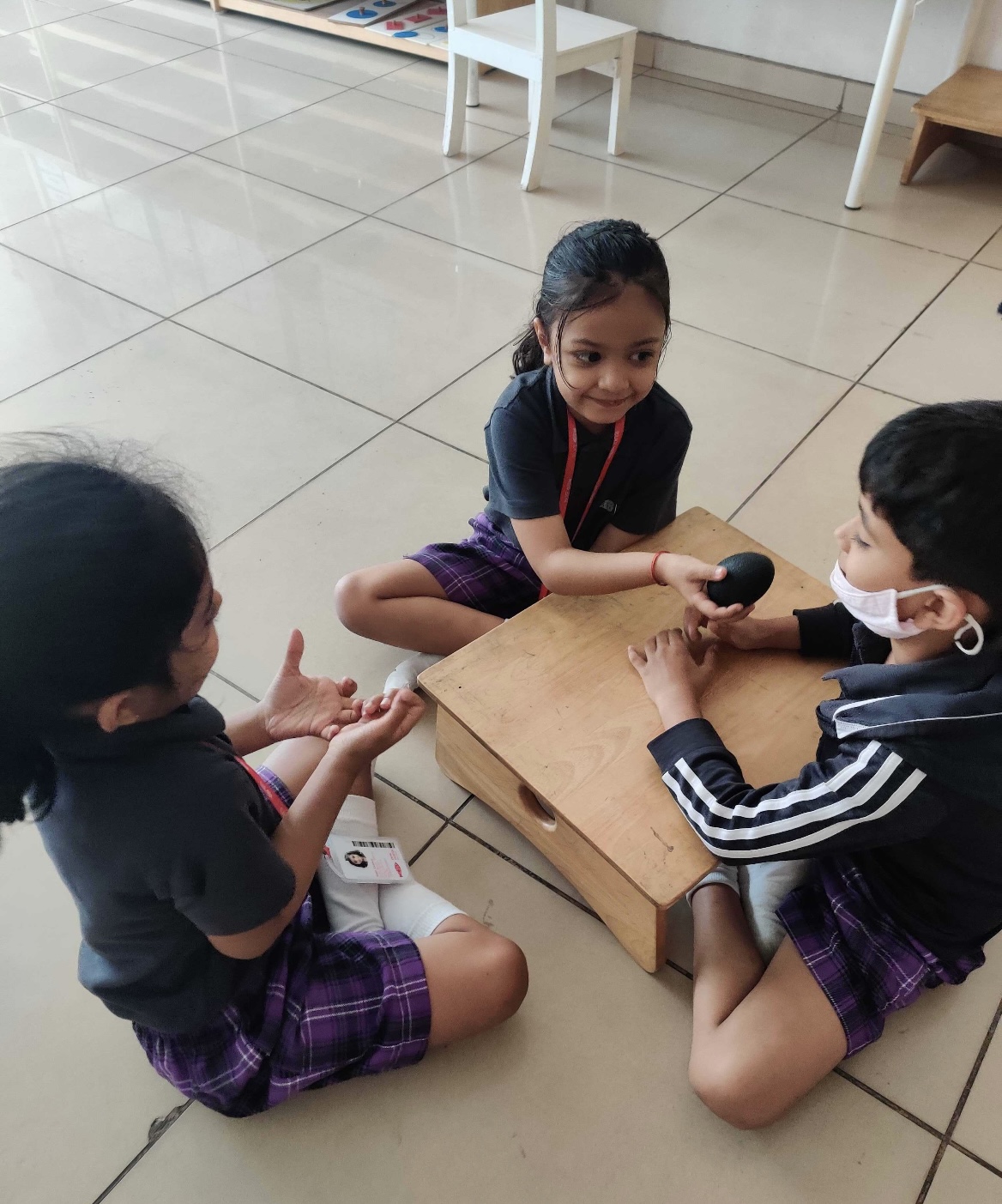
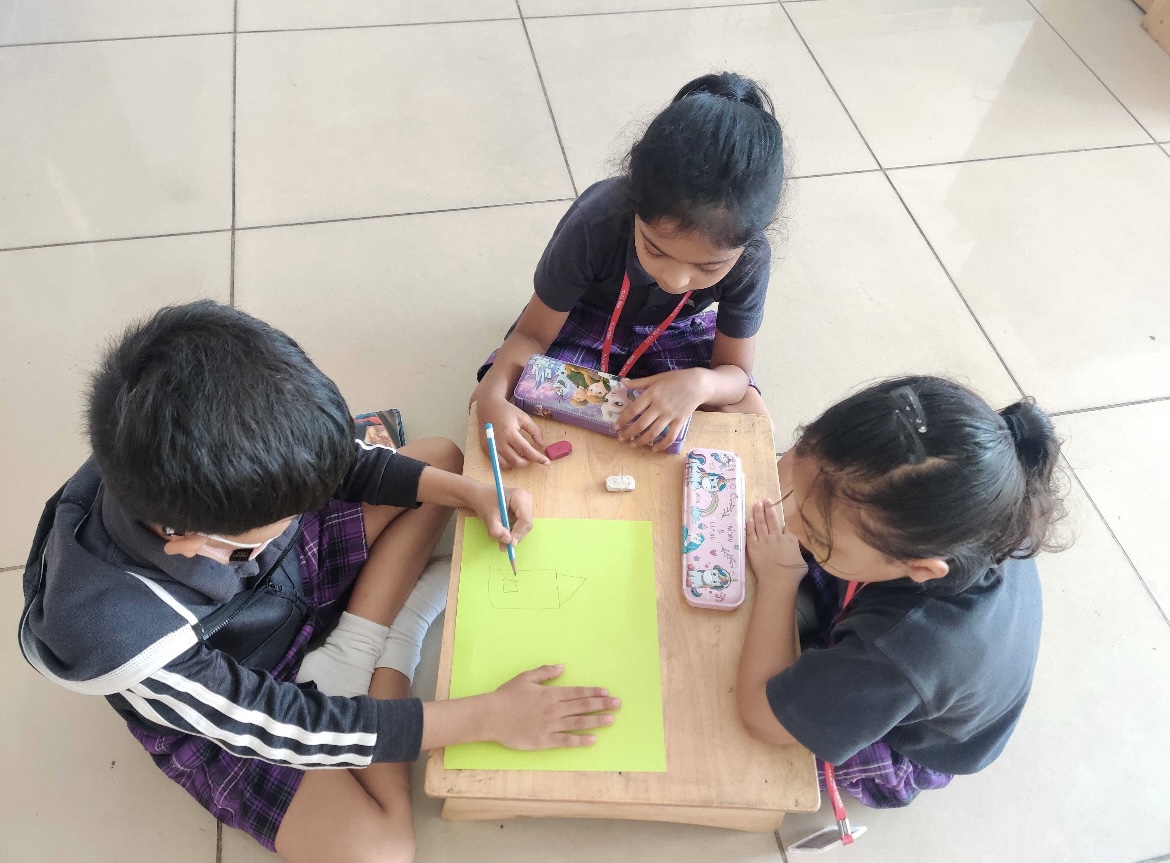
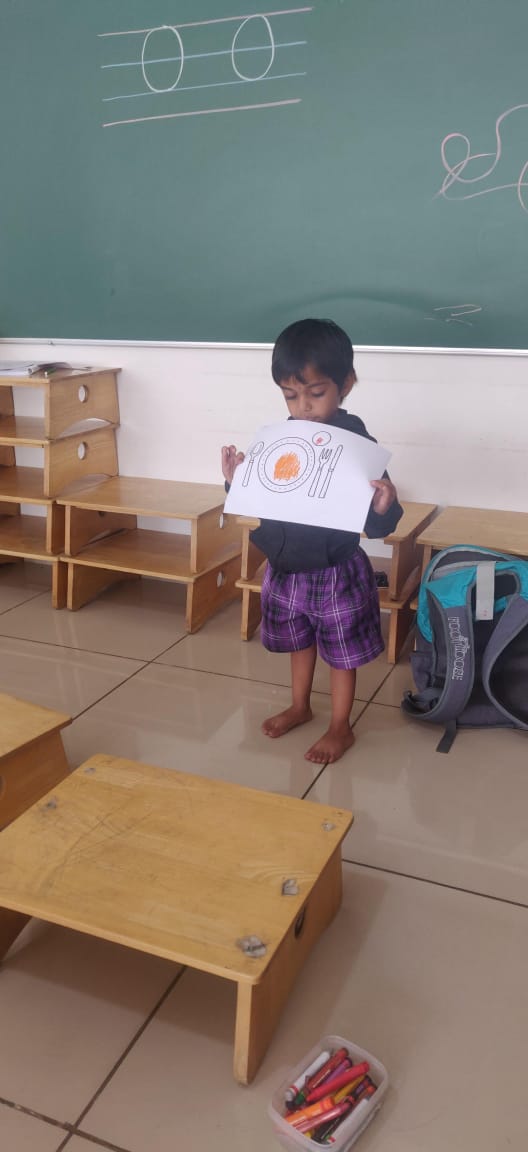
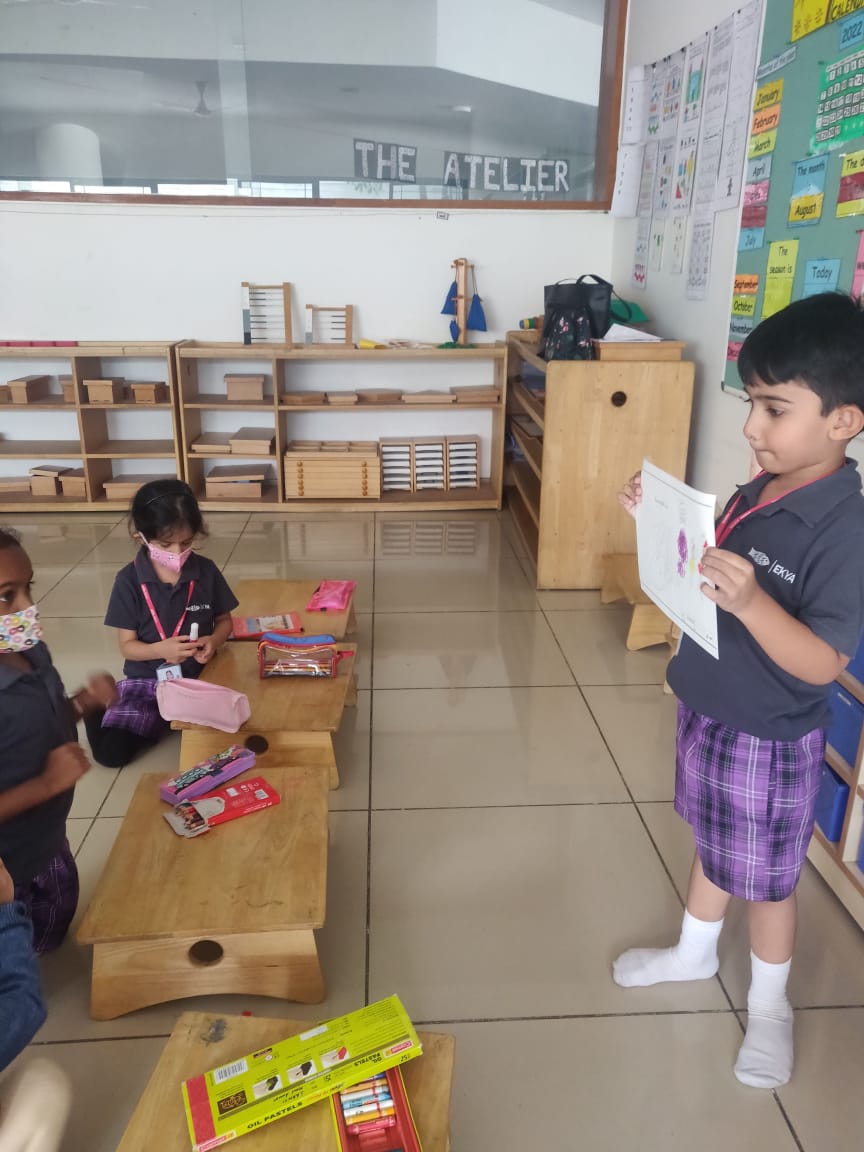
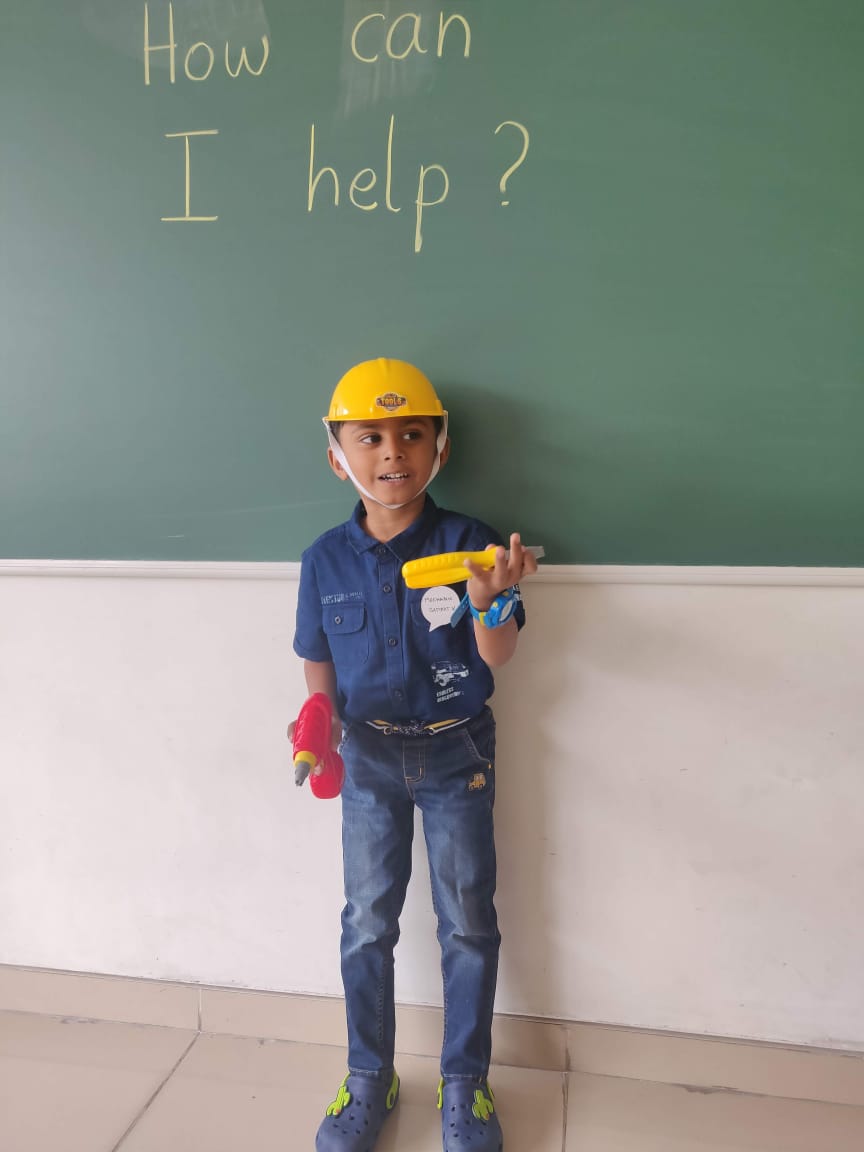
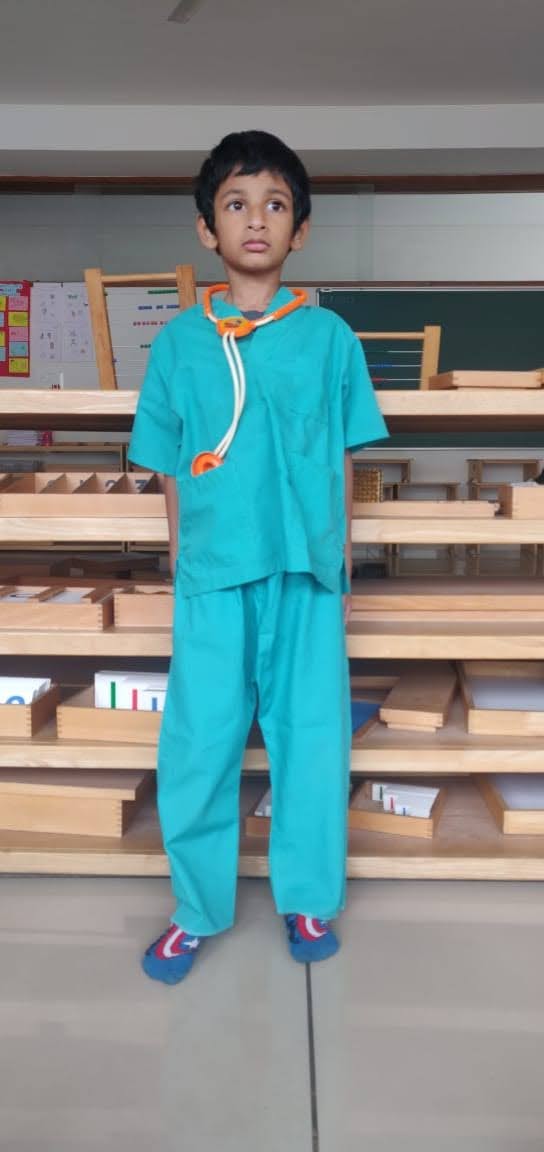
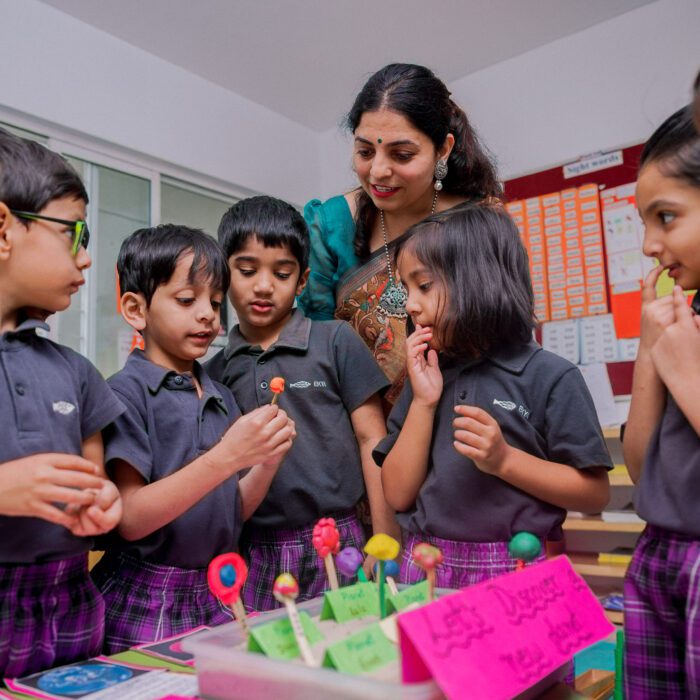
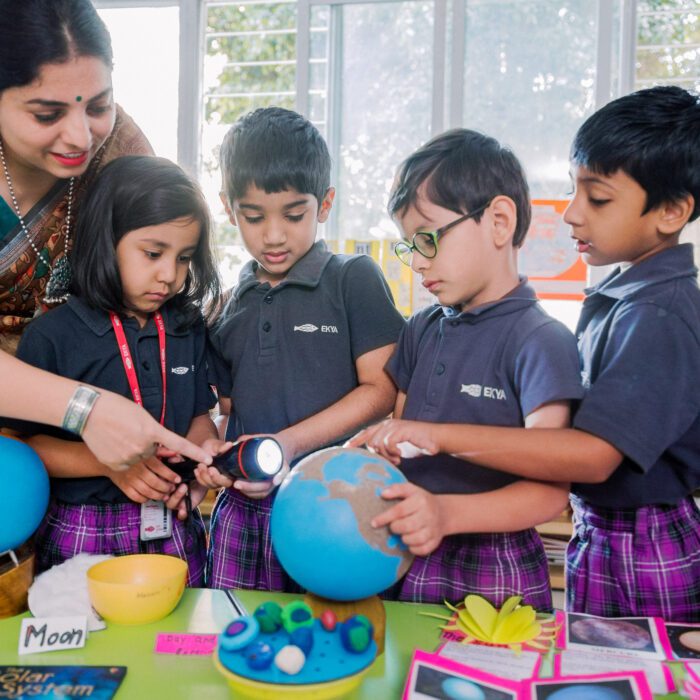
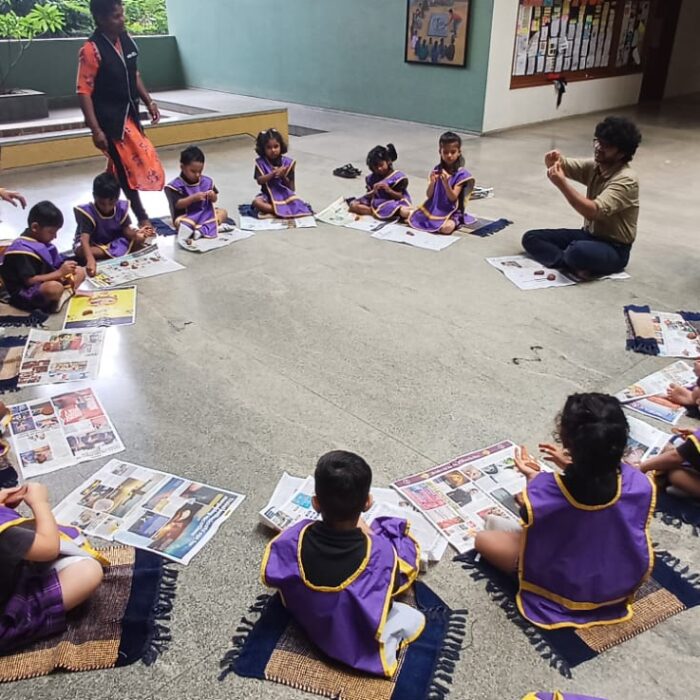
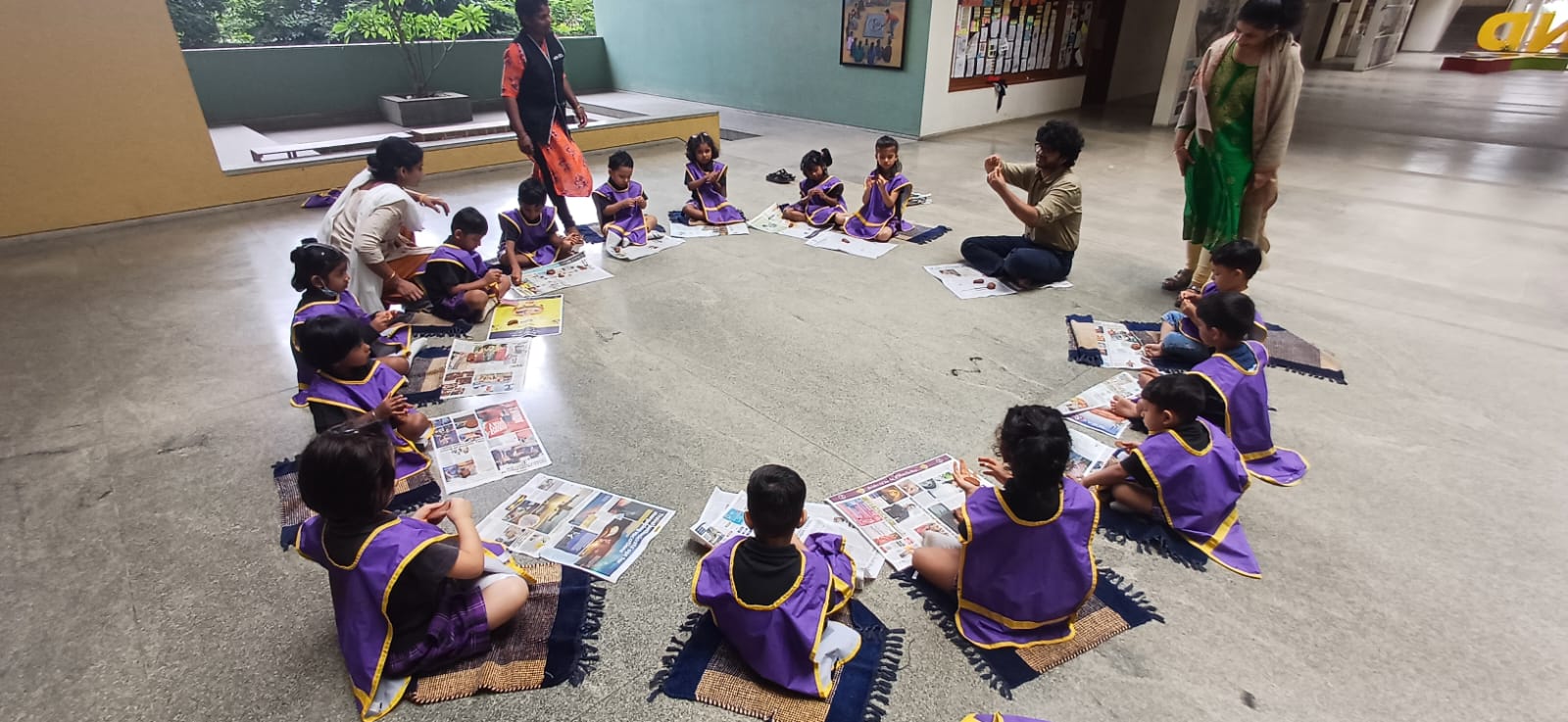
Students participate in various activities like exploration, thinking critically, demonstrating curiosity, posing relevant questions, interpreting information and reflecting on their findings independently and in small groups.
Field trips or expert talks also help students learn more about the topics. Some exciting topics our students explore are- Me around the World, Pushes and Pulls, Weather and its effects, Fairy Tales, Transport, Needs of living things and Needs and wants.
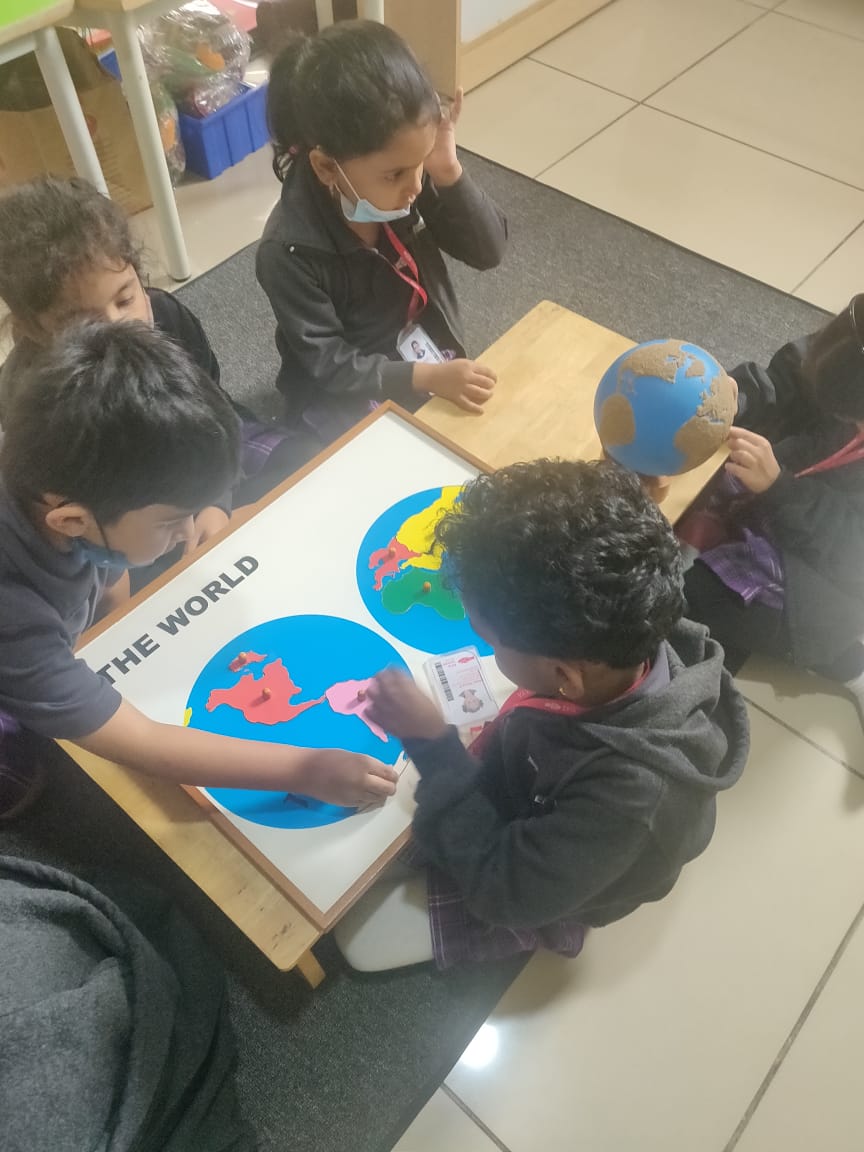
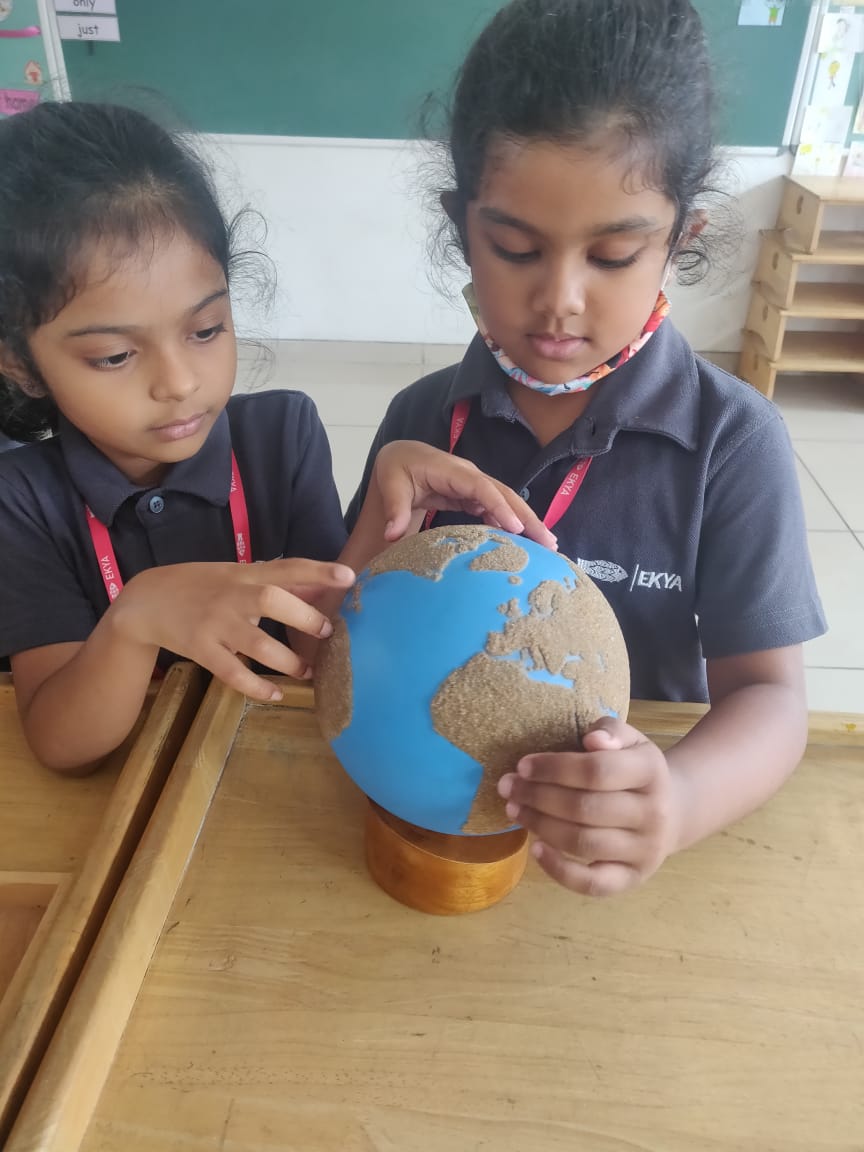
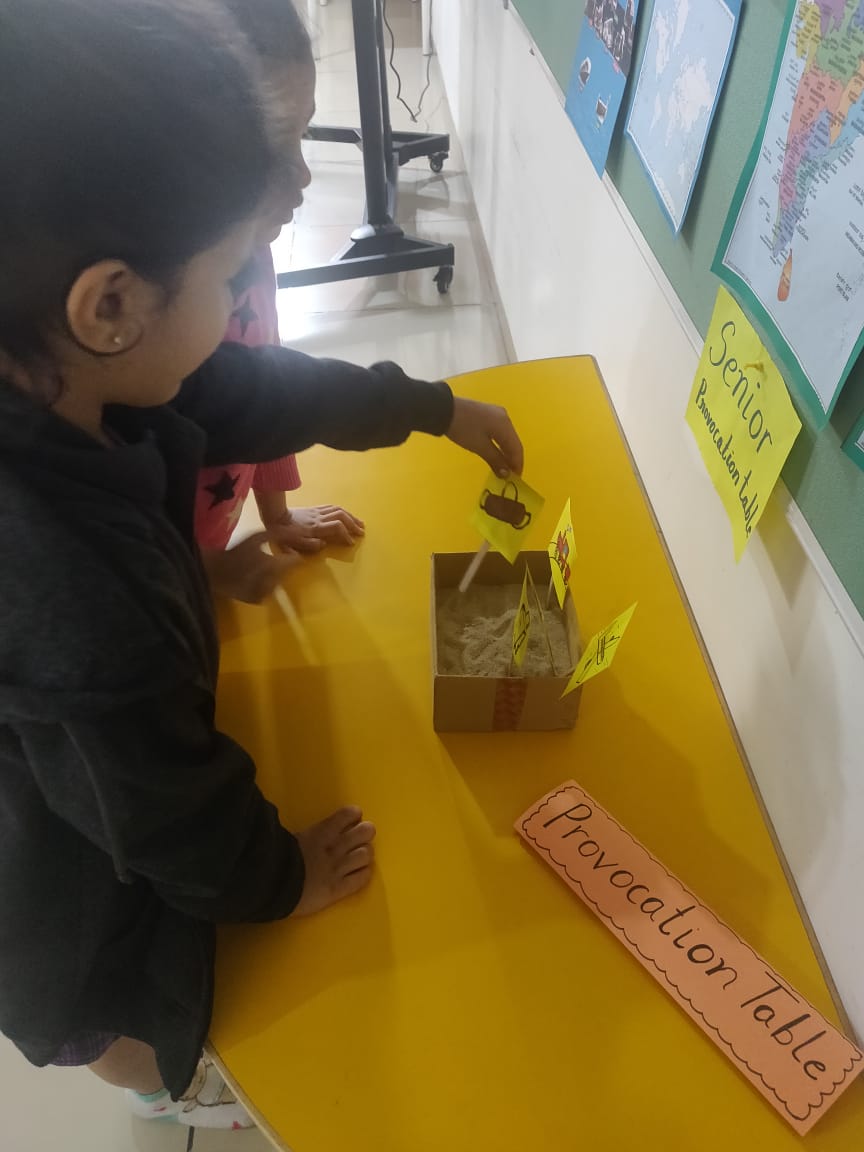
To promote deeper learning, teachers set up spaces for exploration. For example, a provocation table with objects related to the topics is set up to kindle curiosity and inquiry; teachers deliberately place objects, charts, and images of interest related to the topic to provoke thought. Interesting displays help students unpack topics using prior knowledge and continue adding elements of interest to their thought processes.
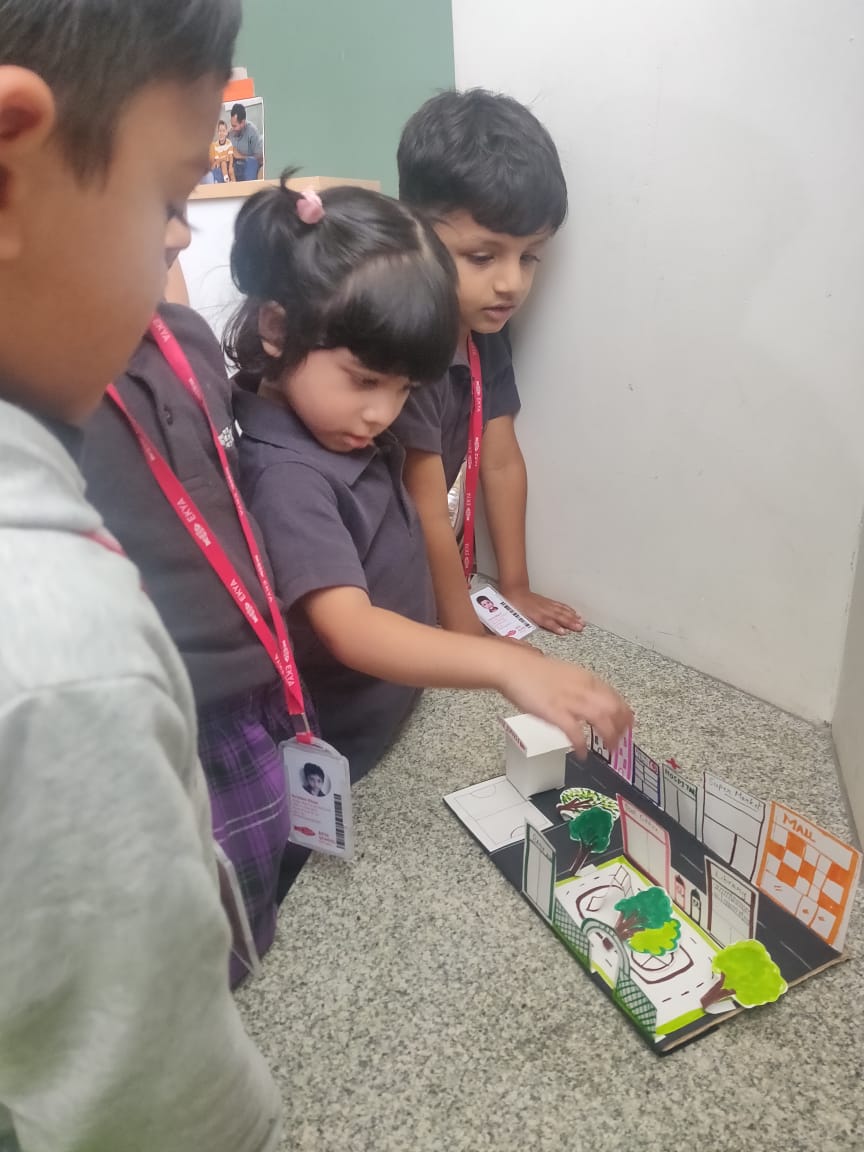
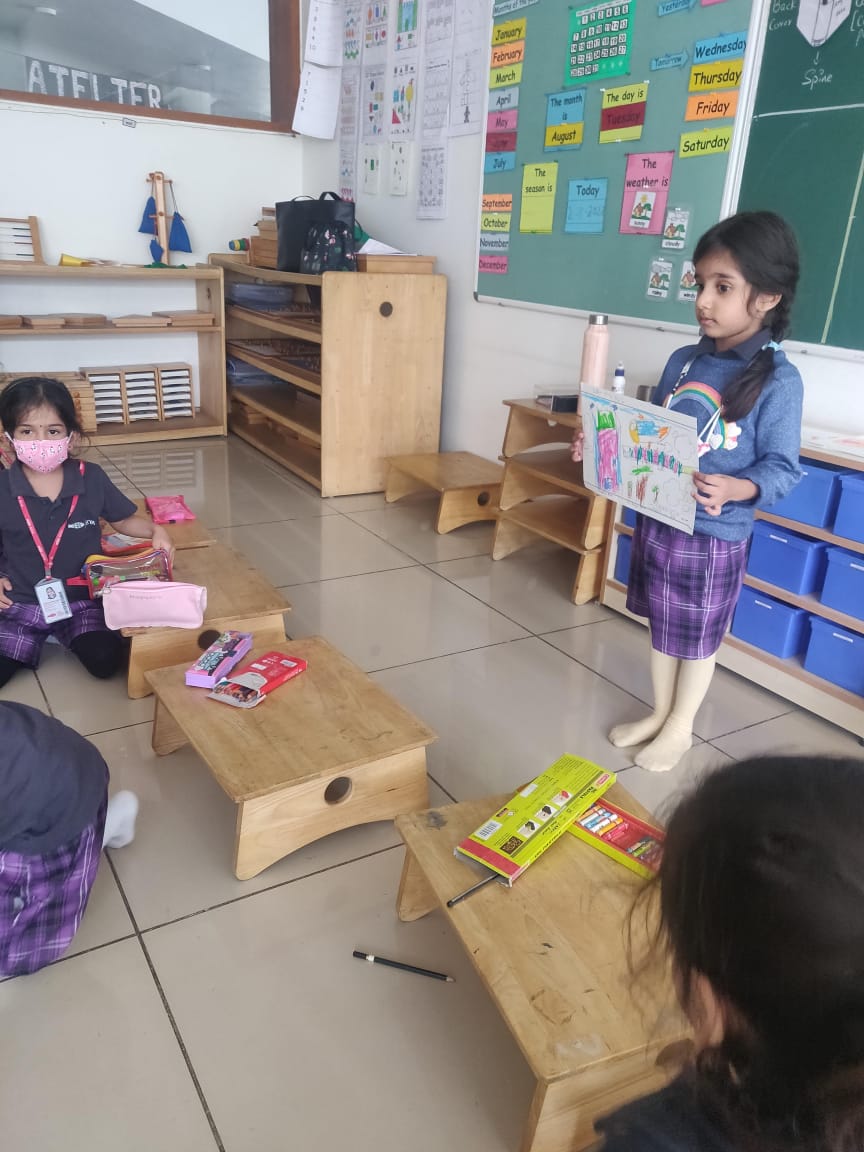
Students learn new vocabulary displayed on the Quest Word Walls and have multiple opportunities to reflect on and extend their learning. Learning is also made visible by documentation of all student work displayed on bulletin boards consolidating all learning experiences.
Key Learning Experiences
Thoughtfully Chosen Topics
Quest topics are meticulously chosen to capture and sustain children’s interests. Each topic has clear learning outcomes and objectives, guiding students through a structured exploration. This ensures a purposeful, enriching, and standards-aligned learning experience.
Core Process Skills
Throughout the Quest program, students develop essential process skills like predicting, observing, hypothesising, and communicating. These skills are woven into our learning experiences, empowering students to navigate and understand the world with a well-rounded set of abilities.
Key Learning Experiences
Thoughtfully Chosen Topics
Quest topics are meticulously chosen to capture and sustain children’s interests. Each topic has clear learning outcomes and objectives, guiding students through a structured exploration. This ensures a purposeful, enriching, and standards-aligned learning experience.
Core Process Skills
Throughout the Quest program, students develop essential process skills like predicting, observing, hypothesising, and communicating. These skills are woven into our learning experiences, empowering students to navigate and understand the world with a well-rounded set of abilities.
Lifelong Love of Learning
Lifelong Love of Learning
Lifelong Love of Learning